


















Chess has recently been in the news far more than usual. First, there was the runaway success of the Netflix miniseries The Queen’s Gambit. That made chessboards the new toilet paper as retailers and manufacturers struggled to meet the demand. Now there’s a high-profile cheating scandal rocking the chess world.
But amid those headlines, the best recent chess news for Canadians is the quieter story of Shawn Rodrigue-Lemieux, a Québec teen who recently won the world under-18 chess championship: a first for a Québecer and only the second time for a Canadian.
Unlike the cheating scandal and the fictional depiction of chess in The Queen’s Gambit, the story of Rodrigue-Lemieux is unequivocally good and real. It should inspire and motivate us as a nation to invest more in chess so that his accomplishment leads to more Canadian success at international competitions.
Success at the highest levels of chess costs money. Investing in chess as a sport and as a mandatory subject in schools would be money well spent.
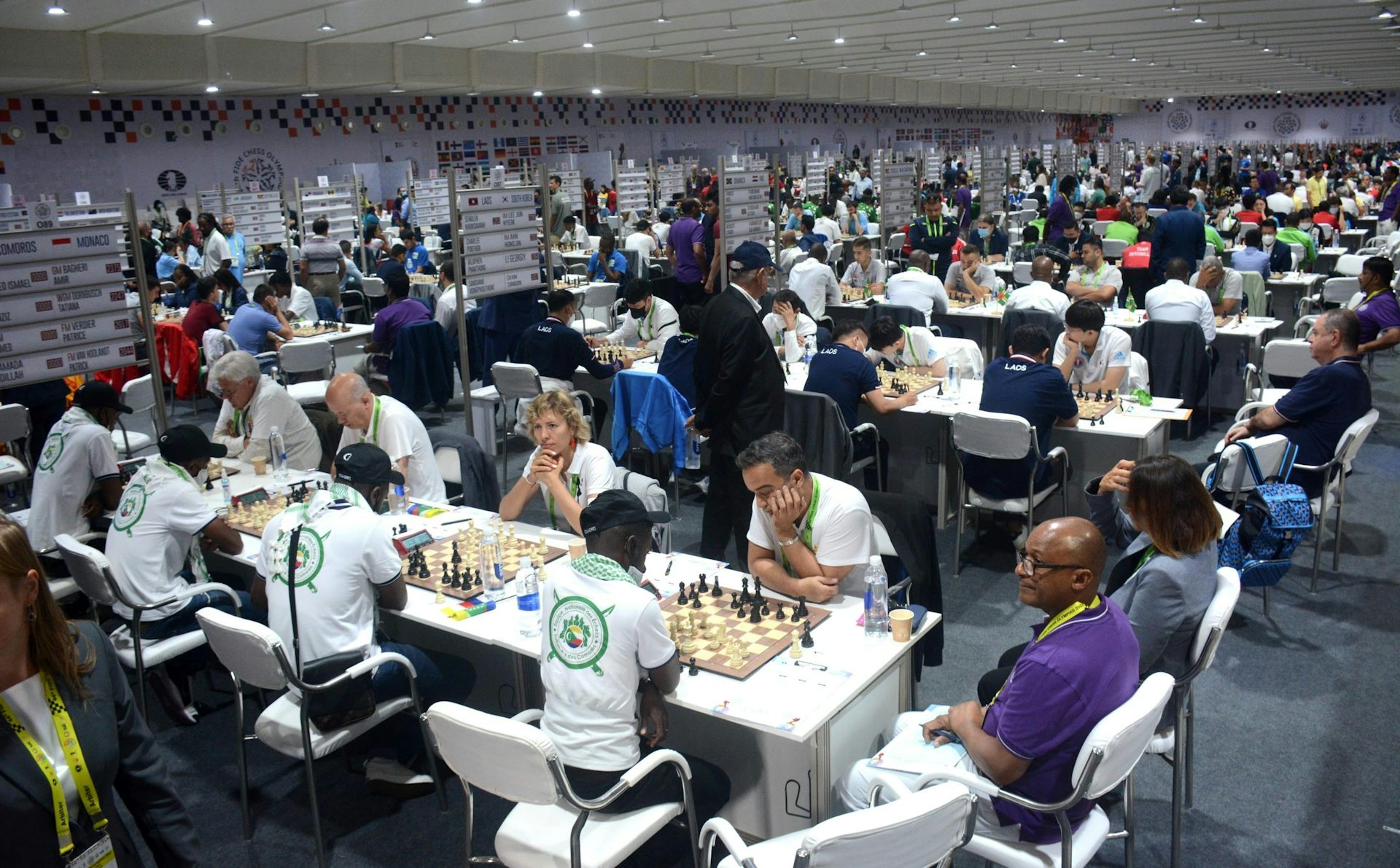
Participants compete in the 44th Chess Olympiad in Mamallapuram, India on July 29, 2022. (AP Photo)
Chess as a sport
This year Sport Canada has supported hockey in Canada with nearly $7 million. It has given an additional $1.5 million toward individual hockey players through its athlete assistance program. But Sport Canada isn’t just generous to hockey. It’s giving more than $300,000 to bowling; $5.2 million to curling; $200,000 to surfing; over $1 million to cricket; almost $700,000 to ringette; about $250,000 to skateboarding; and more than $500,000 to archery.
What does chess get from Sport Canada? Nothing.
According to Sport Canada, chess does not qualify for sport funding for the simple reason that chess is not a sport. But chess satisfies every single criterion for being a sport, except one: it is not considered a physical activity. It is merely a “game of skill,” a board game like Monopoly or Scrabble, that requires mental effort but no physical, bodily effort.
Sport Canada’s position on chess may be shared by many Canadians, but it is mistaken and out of step with the position of many other nations for at least two reasons.
First, in 1999, the International Olympic Committee recognized chess as a sport. Chess was even featured as an exhibition event at the 2000 Olympics in Sydney. There was an effort to get chess into the 2024 Paris Olympics, but this was rejected.

When the time comes and chess is featured at the Olympics, Canada will not be ready to compete unless we start funding chess now.
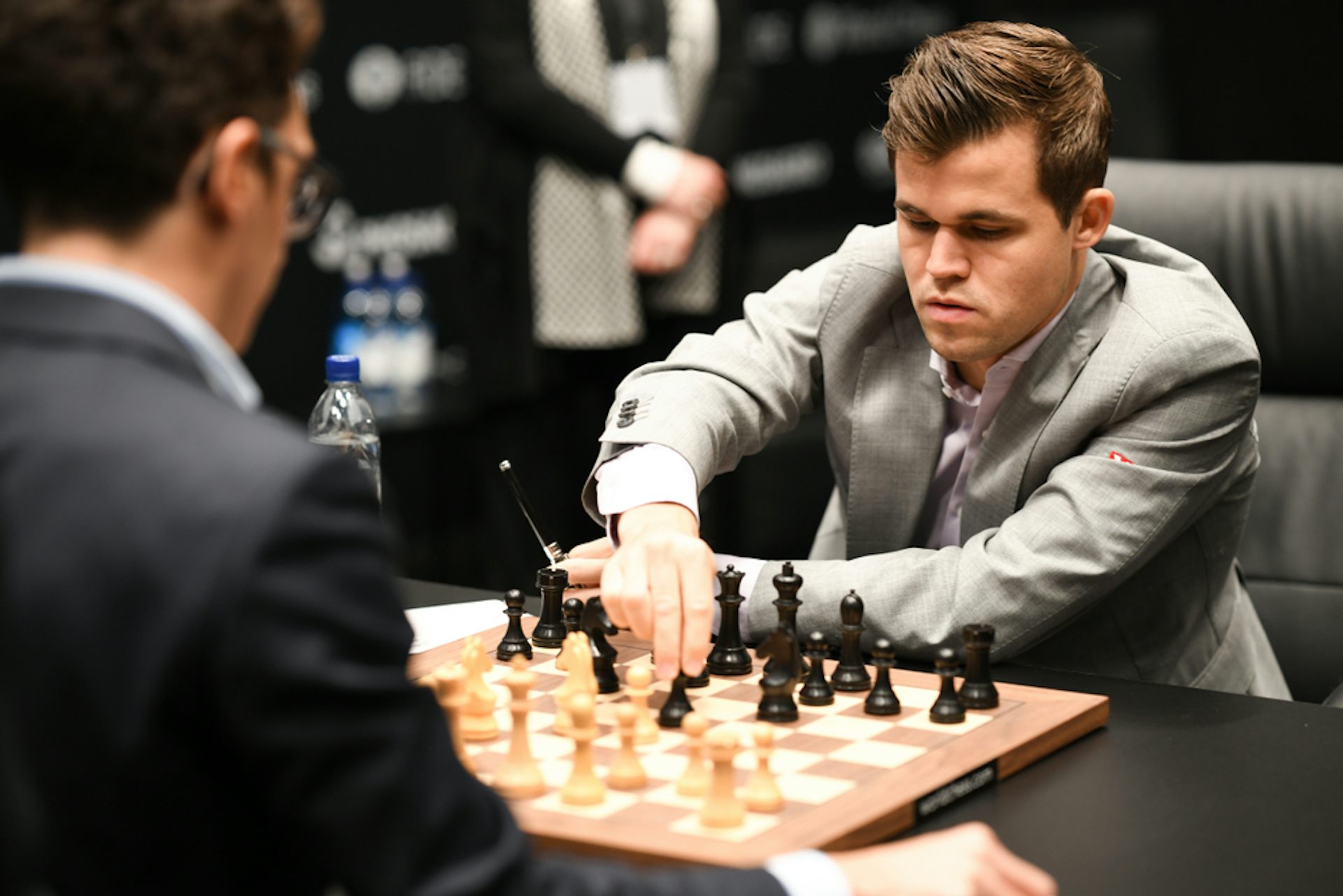
Magnus Carlsen competes at the 2018 World Chess Championship in London. (Shutterstock)
Second, when chess is played at the highest levels, it is indeed a physical activity, contrary to the naïve position of Sport Canada. In a 2014 interview with the BBC, the greatest chess player of all time and current world champion, Magnus Carlsen revealed: “For me chess is first and foremost a sport and then secondly an art and a science.”
Carlsen credited two of his wins against former world champion, Vishy Anand, to his superior athleticism rather than to his superior chess playing. The games were long ones and, according to Carlsen, “were very much decided in the fifth and sixth hours by physical strength.”
Investing in chess
The wisest way for Canada to invest in chess would be to follow the examples of other nations, including Spain, Armenia, and Georgia, that have made chess a mandatory subject in elementary or high school.
The case for including chess among school curricula is usually based on the benefits for improving math skills. But this is not the only benefit of chess.
Chess is a prime example of an interdisciplinary activity. The best chess players throughout history have had one thing in common: they saw in chess something far more serious than a game. The first official champion, Wilhelm Steinitz, declared that chess is a science, and wrote a treatise on the principles of this science. The next champion, Emanuel Lasker, saw chess as a perfect model of every human struggle.
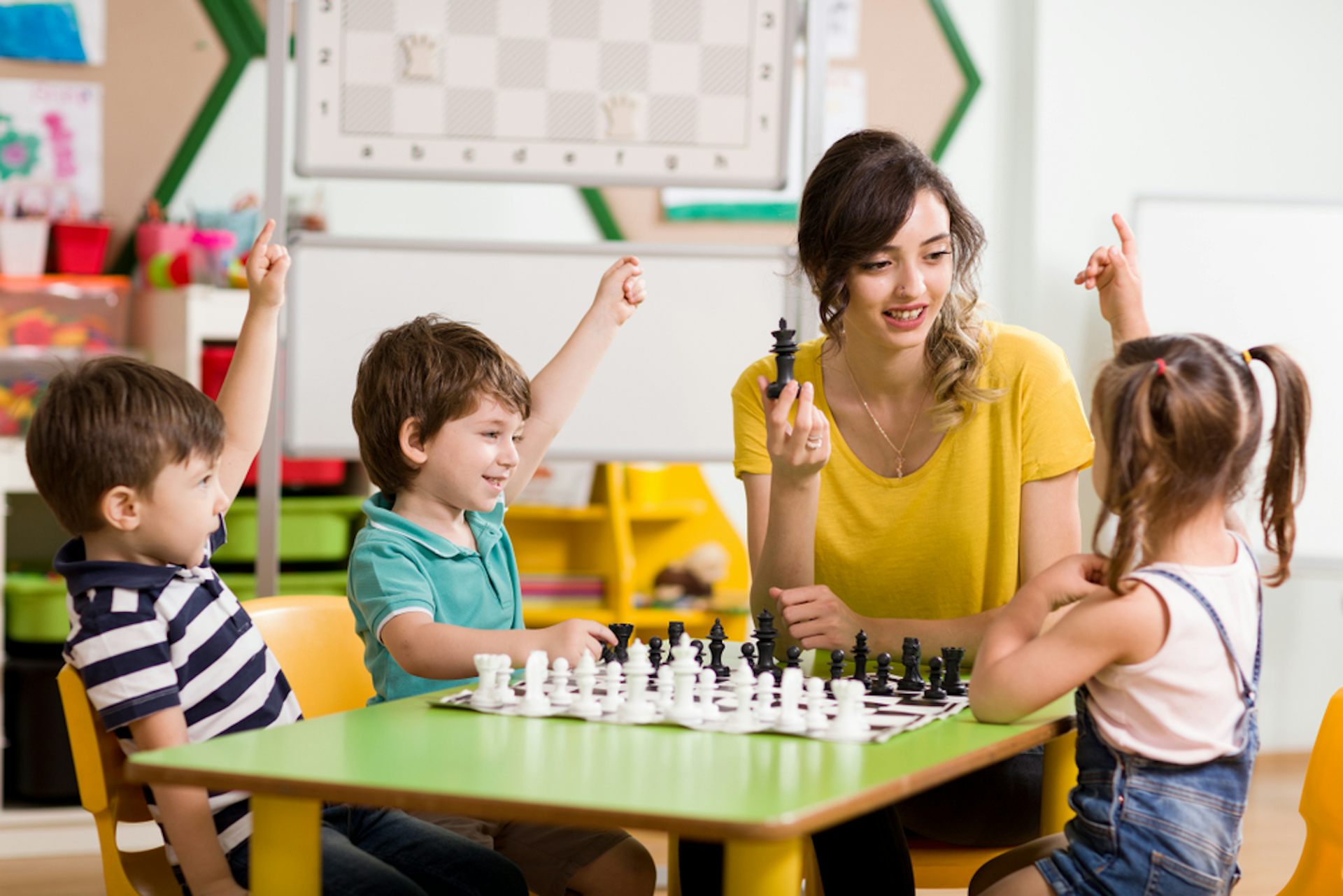
Teaching chess is school can help children to see the unity of all the other disciplines they learn at school. (Shutterstock)
Another champion, Alexander Alekhine, thought chess was an art, an opinion that was corroborated by one of the world’s most famous artists, Marcel Duchamp, who quit making art to focus on chess. Computer scientists frequently turn to chess as a test for artificial intelligence. And former world champion Garry Kasparov has assimilated all of these insights and written a book arguing that chess is a model of all aspects of life.
Teaching chess in Canadian schools would train children to see the unity of all the other disciplines they learn at school. It would challenge them to use their minds, and yes, even their bodies, to learn, compete and have fun. While chess is in the spotlight, we should not miss this opportunity to build on the enthusiasm for chess that is present in Canada.
Written by Michael Hickson, Associate Professor, Department of Philosophy, Trent University
This article is republished from The Conversation under a Creative Commons license. Read the original article.