











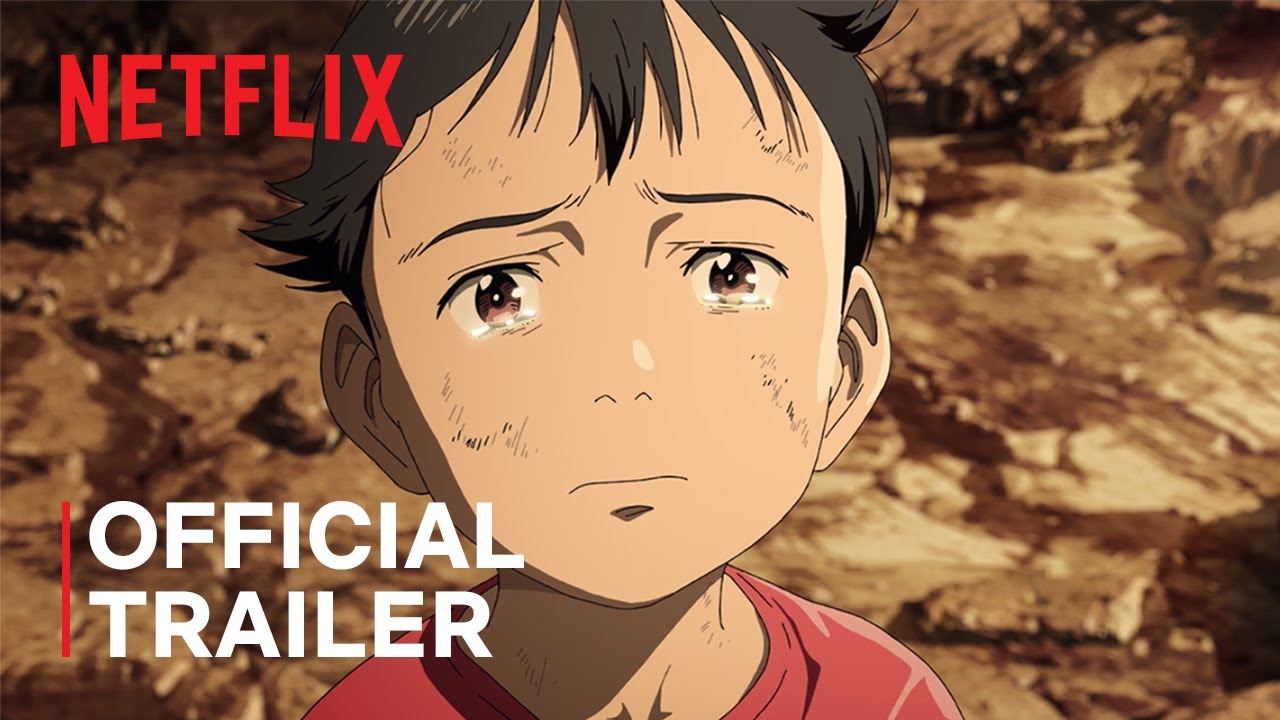

There have been many TV shows and films inspired by the dual fear and excitement surrounding advances in artificial intelligence (AI). But not many exhibit such masterful craft and profound humanity as the new Netflix anime miniseries, Pluto.
Pluto is adapted from a manga series of the same title (2003-2009), created by Naoki Urasawa and Takashi Nagasaki. The manga version – considered a comic masterpiece for its beautiful art and sophisticated storyline – incorporated fundamental elements from Osamu Tezuka’s celebrated manga series Astro Boy (1952-1968), including the beloved android adolescent who was the titular character.
Pluto is set in a futuristic world in which humans and robots coexist, albeit within a hierarchy in favour of humans. Robots excel in various jobs ranging from nannies and butlers to architects and detectives, but they are treated as second-class citizens.
Although robots gradually gain their own rights codified into law, they are still exploited by humans, who downplay their worth and emotional intelligence. As much as humans depend on AI, they also feel threatened by it.
Pluto: An AI murder mystery
Pluto, which has both Japanese and English audio versions, follows German robot detective Gesicht (Shinshū Fuji/Jason Vande Brake) as he traces the mysterious killings of robots and humans. The world’s seven most advanced robots (including Gesicht himself) and robot-friendly humans (including his creator) are the targets of this assassination scheme.
What’s most perplexing is that the murders appear untraceable. This suggests that the killer might be a very advanced robot, challenging the belief that robots can’t ever kill humans due to their programmed constraints.
This enigmatic case echoes the cautionary message found in Mary Shelley’s Frankenstein – beware of human beings’ ambitious dreams and creations. While the story begins as a murder mystery, it evolves into a thoughtful drama about the conflicted relationships between humans and androids.
While Pluto draws on many familiar sci-fi concepts, it distinguishes itself through its meticulous character development and the depth of its micro-stories. Every character is complex, and the audience is able to get to know them and become invested in their fates.
The anime’s unhurried pace also allows viewers ample time to contemplate its philosophical questions about consciousness evolution and the powerful impacts of emotions.

Despite all its brilliance, however, the series is not without flaws. It has a dated representation of gender roles, with no female characters – whether human or robot – playing an important part. None of them break free from the stereotypical role of nurturing, stay-behind support for their exceptionally capable and powerful male partners.
Animation of the year
Pluto maintains a melancholic tone throughout – but despite this overarching dark ambience, it is at times romantic and moving. It exalts love, friendship and compassion without falling into sentimentality, evoking an emotional resonance reminiscent of Blade Runner (1982).
The series emphasises that life, or the process of living, imparts character and humanity, transcending biological organs and blood. Androids may initially be devoid of complex emotions, but they develop sentience through everyday experiences and interactions with fellow robots and humans.
Robots can even learn to appreciate music, as manifested by the charismatic North No.2 (Koichi Yamadera/Patrick Seitz), who was designed for intense combat but grows weary of warfare. The narrative underscores the simultaneous beauty and danger of emotions – particularly the destructive force of wrath.
With great technological advancements and comfort, this futuristic world is still torn by war. It poses the question: “Will war ever end?” – reminding us of the conflicts and tragedies happening in the real world. The anime suggests that an end to war is unlikely as long as hatred persists.
For me, with its beautiful art and riveting narrative, Pluto stands out as one of the best Netflix productions of all time. It’s certainly the best animated work of the year.
Written by Thi Gammon, Research Associate in Culture, Media and Creative Industries Education, King’s College London
This article is republished from The Conversation under a Creative Commons license. Read the original article.