














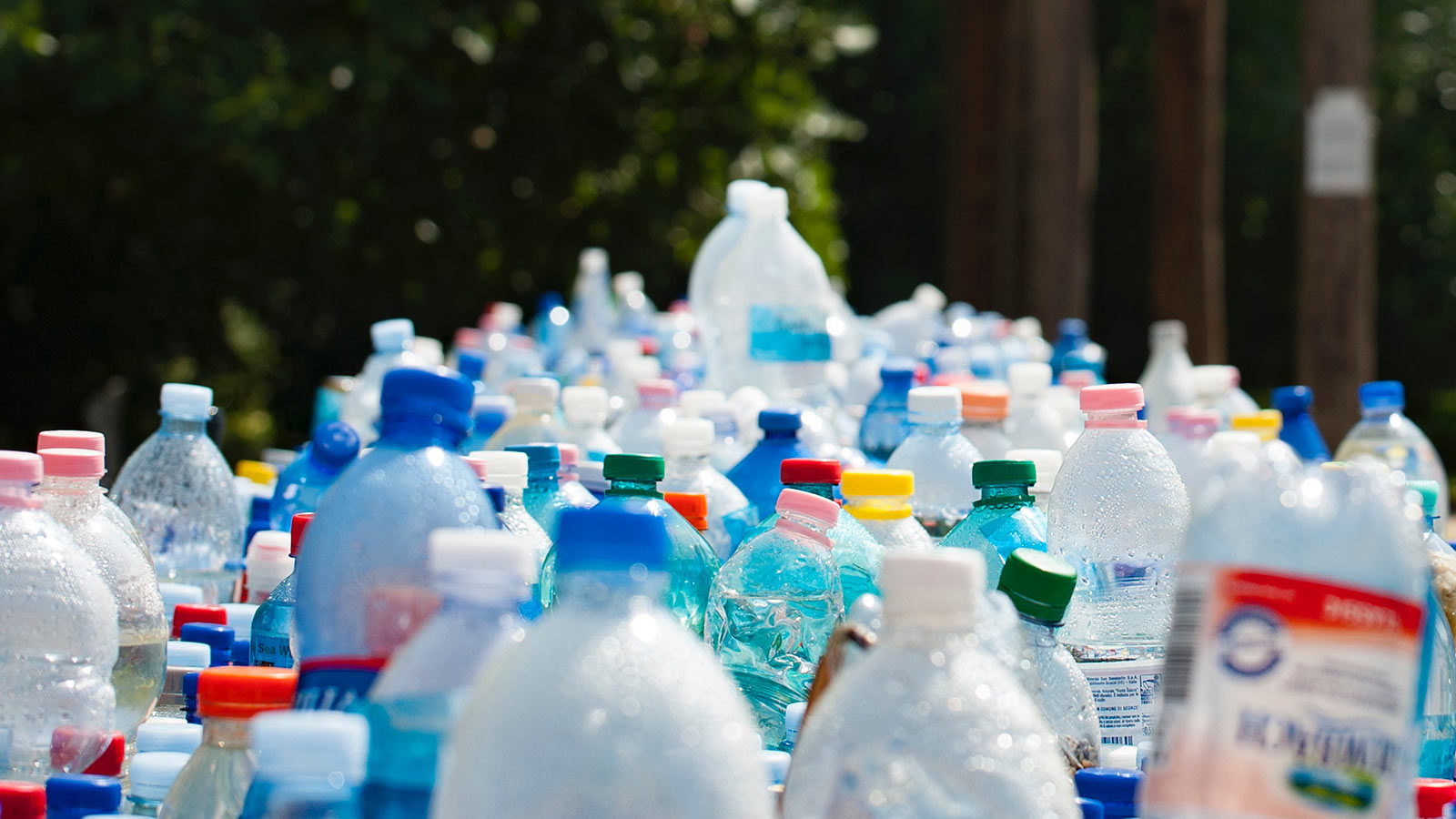

Bottled water is one of the world’s most popular beverages, and its industry is making the most of it. Since the millennium, the world has advanced significantly towards the goal of safe water for all. In 2020, 74 per cent of humanity had access to safe water. This is 10 per cent more than two decades ago. But that still leaves two billion people without access to safe drinking water.
Meanwhile, bottled water corporations exploit surface water and aquifers — typically at very low cost — and sell it for 150 to 1,000 times more than the same unit of municipal tap water. The price is often justified by offering the product as an absolute safe alternative to tap water. But bottled water is not immune to all contamination, considering that it rarely faces the rigorous public health and environmental regulations that public utility tap water does.
In our recently published study, which studied 109 countries, it was concluded that the highly profitable and fast-growing bottled water industry is masking the failure of public systems to supply reliable drinking water for all.
The industry can undermine progress of safe-water projects, mostly in low- and middle-income countries, by distracting development efforts and redirecting attention to a less reliable, less affordable option.
Bottled water industry can disrupt SDGs
The fast-growing bottled water industry also impacts the UN’s Sustainable Development Goals (SDG) in many ways.
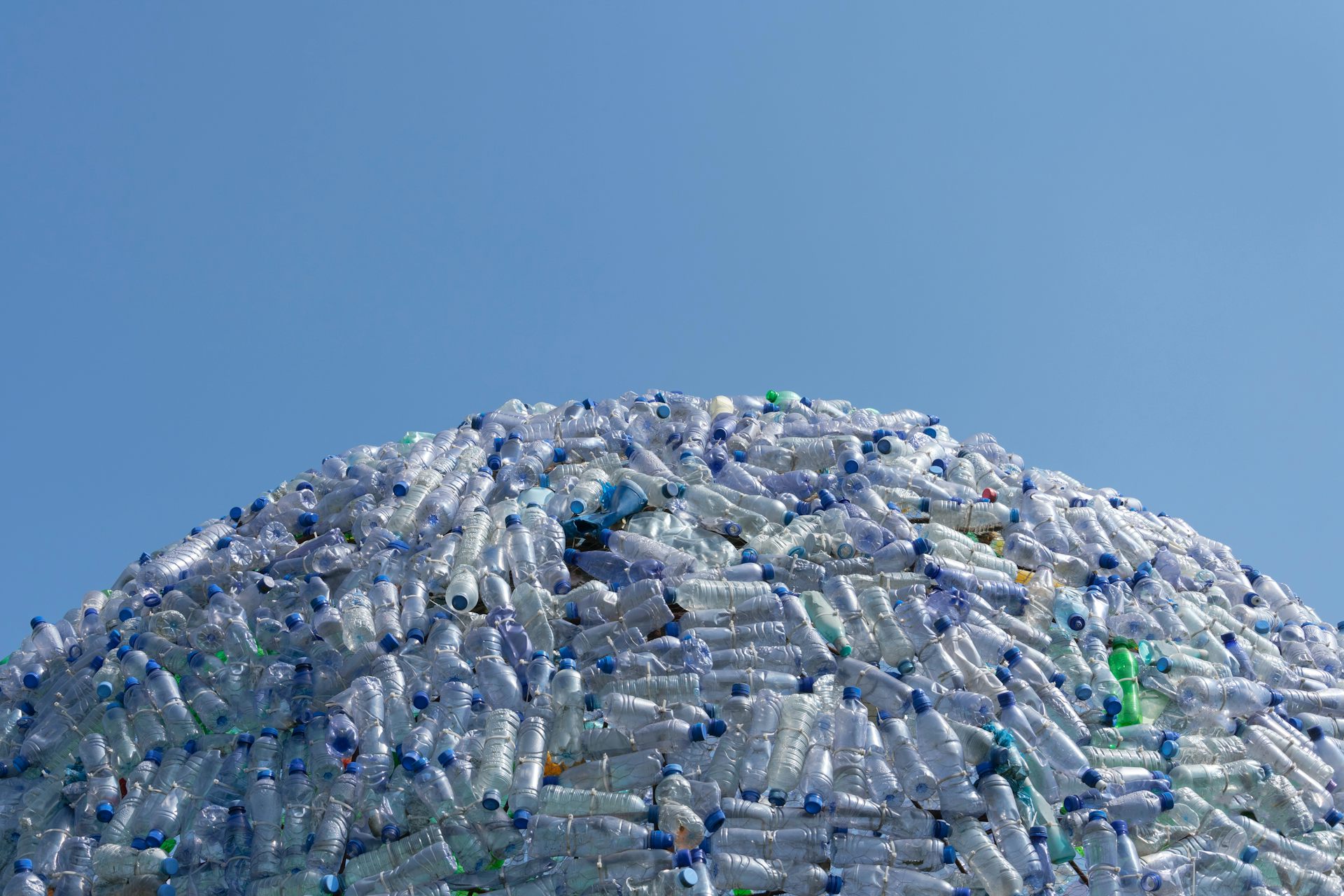
The rising sales of global bottled water is contributing to plastic pollution on land and in the oceans. (Shutterstock)
The latest UN University report revealed that the annual sales of the global bottled water market is expected to double to US$500 billion worldwide this decade. This can increase stress in water-depleted areas while contributing to plastic pollution on land and in the oceans.
Growing faster than any other in the food category worldwide, the bottled water market is biggest in the Global South, with the Asia-Pacific, Africa and Latin American and Caribbean regions accounting for 60 per cent of all sales.
But no region is on track to achieve universal access to safe water services, which is one of the SDG 2030 targets. In fact, the industry’s greatest impact seems to be its potential to stunt the progress of nations’ goals to provide its residents with equitable access to affordable drinking water.
Impact on vulnerable nations

In the Global North, bottled water is often perceived to be healthier and tastier than tap water. It is, therefore, more a luxury good than a necessity. Meanwhile, in the Global South, it is the lack or absence of reliable public water supply and water management infrastructure that drives bottled water markets.
Therefore, in many low- and middle-income countries, particularly in the Asia Pacific, rising consumption of bottled water can be seen as a proxy indicator of decades of governments’ failure to deliver on commitments to safe public water systems.
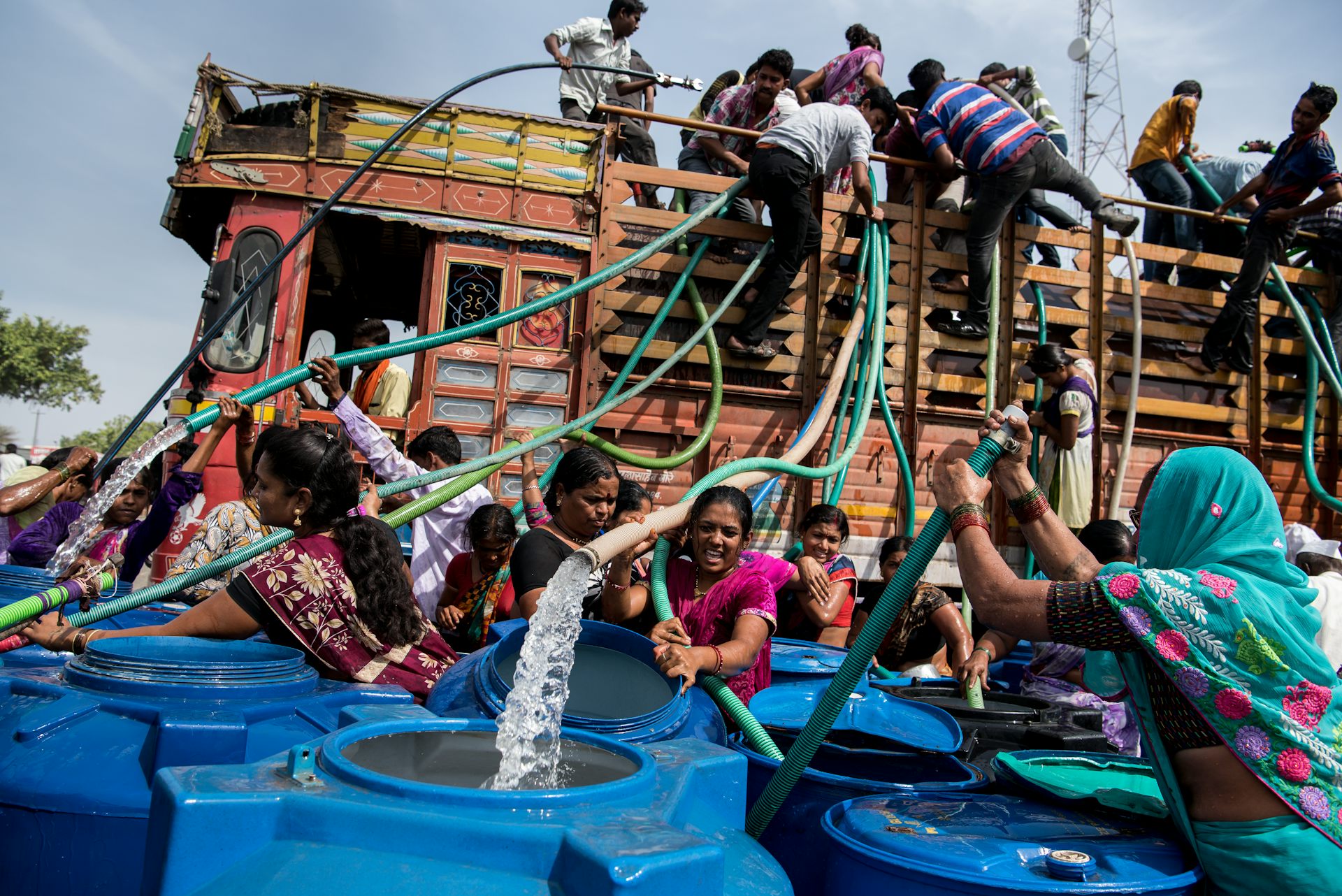
The rising consumption of bottled water in some countries can be seen as a proxy indicator of decades of governments’ failure to deliver on commitments to safe public water systems. (Shutterstock)
This further widens the global disparity between the billions of people who lack access to reliable water services and the others that enjoy water as a luxury. In 2016, the annual financing required to achieve a safe drinking water supply throughout the world was estimated to cost US$114 billion, which amounts to less than half of today’s roughly US$270 billion global annual bottled water sales.
Regulating the bottled-water industry
Last year, the World Health Organization estimated that the current rate of progress needs to quadruple to meet the SDGs 2030 target. But this is a colossal challenge considering the competing financial priorities and the prevailing business-as-usual attitude in the water sector.
As the bottled water market grows, it is more important than ever to strengthen legislation that regulates the industry and its water quality standards. Such legislation can impact bottled water quality control, groundwater exploitation, land use, plastic waste management, carbon emissions, finance and transparency obligations, to mention a few.
Our report argues that, with global progress toward this target so far off-track, expansion of the bottled water market essentially works against making headway, or at least slows it down, adversely affecting investments and long-term public water infrastructure.
Some high-level initiatives, like an alliance of Global Investors for Sustainable Development, aim to scale up finance for the SDGs, including water-related ones.
Such initiatives offer the bottled water sector an opportunity to become an active player in this process and help accelerate progress toward reliable water supply, particularly in the Global South.
Written by Zeineb Bouhlel, Research Associate, Institute for Water, Environment and Health (UNU-INWEH), United Nations University and Vladimir Smakhtin, Former Director of the Institute for Water, Environment and Health (UNU-INWEH), United Nations University
This article is republished from The Conversation under a Creative Commons license. Read the original article.