







In Senegal, rap music and hip-hop culture emerged in the 1980s, driven by the urban youth. It has grown to be one of the most popular music genres in the country. But what role do female rappers in Senegal play in developing and promoting hip-hop? And what challenges do they face in this male-dominated industry? Mamadou Dramé, who has done several studies on Senegalese hip-hop, answers these and other questions.
What characterizes Senegalese hip-hop?
The year 1988 marks the beginning of rap in Senegal. After a phase of imitation, artists set themselves apart from the rest of the world by incorporating local languages such as Wolof, Serer, Pulaar and Joola alongside French and English.
They went on to infuse Senegalese rhythms into the music by using traditional instruments like the kora, peule flute and xalam. They also started collaborating with musicians from other genres such as mbalakh, also known as mbalax (think Daara J with Youssou Ndour, PBS with Baaba Maal, Pacotille with Fatou Laobé).
Unfortunately this originality faded by the late 1990s, particularly when it came to the use of local sounds. This followed the rise of hardcore rap – a genre marked by its intense, politically charged lyrics and rejection of making music just for fun.
That said, Senegalese rap has always been political and socially engaged, rarely seen as art for art’s sake. As a result, rappers have influenced Senegal’s political landscape. They made raising awareness among young people a priority, helping them realise they could help shape their country’s political trajectory. In 2000, for example, hip-hop helped topple the regime of Abdou Diouf and bring about a change of government.
What role does rap play in the popular music scene today?
Rap has played a crucial role in the local music scene in Senegal. At one point, it was the most listened to and widely performed genre in the country. Radio stations dedicated prime afternoon slots for rap shows to build their reputations. Artists who understood the importance of rappers and their ability to mobilise young people often created duets with them or used them as opening acts for their concerts.
Rappers have also shown that music can be a pathway to entrepreneurship. Many rappers have developed side ventures and business structures to generate income, in the process making a positive impact on the lives of young people in their communities. This is why it’s more common in Senegal to find rappers as opinion leaders than artists from other genres. For example, Malal Talla, known by his stage name Fou Malade (Crazy Sick), has become a prominent figure in the broadcasting landscape and is regularly invited to comment on current political issues.
When it comes to pan-Africanism, Didier Awadi is a sought after voice. In the realm of youth employment and training, rapper Amadou Fall Ba has played such a pivotal role that Dakar’s city council was able to establish the Maison des Cultures Urbaines, which works closely with Guédiawaye Hip Hop, a collective of rappers.
Women are reported to be emerging in rap. What is the current situation?
For a long time, the rap scene was very misogynistic, with a very minimal female presence. There have been female rappers like Fatim de BMG 44, Sister Yaki in the group Timtimol, and Syster Joyce, to name a few. However, apart from a few like Fatim, women have often played second fiddle or been confined to the role of backing singers.

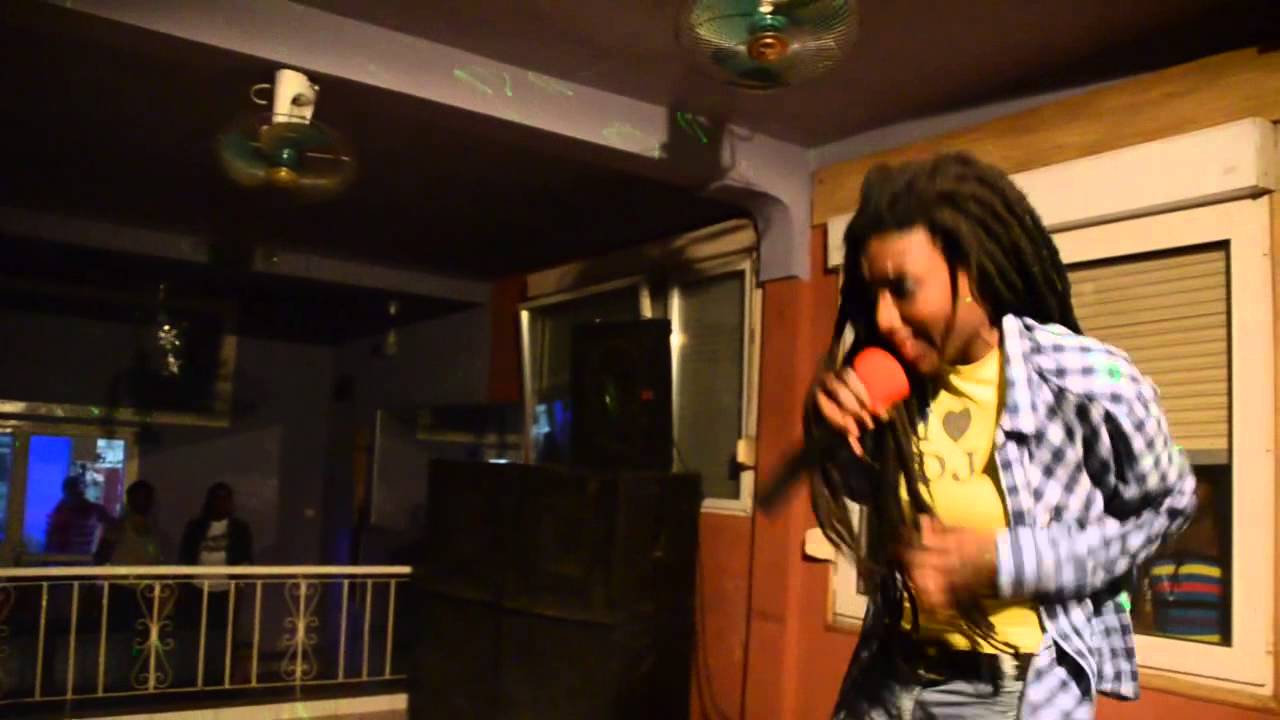
There have been attempts to form all-female groups, such as Alif (Attaque Libératrice pour l’Infanterie Féministe), but many either left rap or music altogether, or transitioned to other genres. In recent years, we are witnessing Senegalese women asserting themselves in rap and taking on leading roles. While their numbers are still small compared to men, they are certainly present and making their mark.
Which female voices stand out?
We could mention Mounaaya, who is very well known. She’s been in the business for a very long time. Toussa is from the same generation. She’s famous for her song Rap bou Djigene bi (Female Rap).
Mamy Victory rose to prominence by winning Best Female Artist 2016 at Senegal’s Galsen Hip Hop Awards. There’s also OMG, who was a double finalist for the Prix Découvertes RFI reality singing competition in 2019. She was also named Best Female Artist at the 2018 Galsen awards.
What challenges do female rappers face in Senegal?
For a long time, women have been subjected to prejudices and social pressures. The negative perception surrounding rap in its early days did not make things any easier. Navigating a predominantly male environment has been challenging for young women. Parents often wouldn’t allow their daughters to associate with men, especially since many events take place at night.
Women face many biases and social judgements that have caused them to drop out of music. Many are expected to marry and take on family responsibilities rather than make rap. These are all obstacles that make it difficult for women to maintain a permanent presence in hip-hop.
However, female rappers are gradually carving out their space. While they still have a long way to go due to their relatively small numbers, they are not backing down; instead they are increasingly asserting their talent and individuality.
Written by Mamadou Dramé, enseignant-chercheur, Université Cheikh Anta Diop de Dakar
This article is republished from The Conversation under a Creative Commons license. Read the original article.