






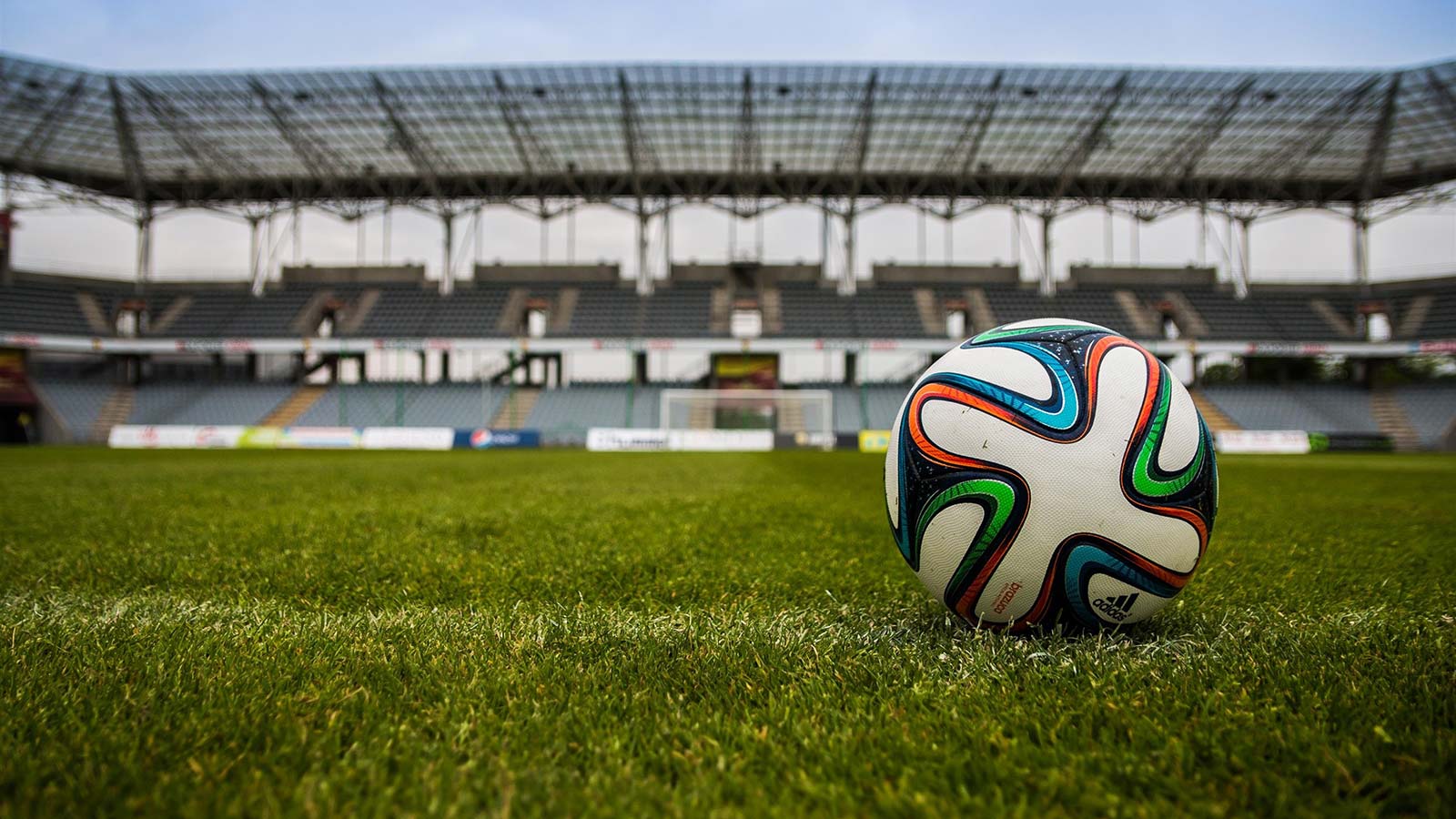

After a month of football, the 2022 FIFA Men’s World Cup in Qatar has concluded with Argentina beating France 4-2 in a penalty shootout after drawing 3-3.
Record numbers of fans were expected to watch the nail-biting final match at the Lusail Stadium just outside of the Qatari capital Doha.
The tournament featured a highly competitive group stage, increased global representation in the knockout rounds, dramatic upsets and outstanding individual performances — highlighted by Argentina’s great Lionel Messi and emerging superstar Kylian Mbappé of France.
From the moment FIFA announced Qatar as the 2022 World Cup host in 2010, non-sporting controversy has plagued the event. In addition to bribery charges against FIFA officials, questions were raised about the suitability of a small nation with limited football history or infrastructure hosting the World Cup.
Complicating the choice of Qatar further was the desert nation’s hot summers which made scheduling the event in its normal June-July timeframe impractical — necessitating the move to November-December, which European football associations viewed as disrupting their regular schedules.
Politics and sport
Beyond the logistical issues, the 2022 World Cup will also be remembered as one of the most politically scrutinized sporting events in recent times. A sampling of global politics intersecting with the World Cup include:
- FIFA threatened to give yellow cards to team captains who wear One Love armbands in support of LGBTQ+ rights.
- German players covered their mouths during the pre-game photo to protest the Qatari government’s human rights violations.
- Some Morocco fans rioted in Belgium after the North African nation defeated the Belgians.
- Serbian players displayed a map of their home nation in their locker room that included Kosovo with the words “No Surrender.” Kosovo declared its independence from Serbia in 2008.
- Iranian state officials called for the U.S. to be kicked out of the tournament after the U.S. Soccer Federation displayed an image of the Iranian flag on social media without the Islamic Republic emblem.
- There were tensions between pro-government and protest-supporting Iranian fans.
- Fans refused to be interviewed by Israeli media outlets.
- The Palestinian flag was waved by teams and fans.
- Tensions escalated on the field and in the stands during Serbia’s match with Switzerland who featured players of Albanian descent.
Human rights criticisms

Human rights groups criticized Qatar’s laws banning homosexuality and its poor treatment of migrant workers. Millions of migrant workers live in Qatar, with an estimated one million employed in the construction industry.
According to a report by The Guardian, 6,500 of these migrant workers — mostly from South Asia — died in Qatar in the years since FIFA’s decision to award the country the World Cup.
Qatari authorities have challenged The Guardian’s report, claiming the number of migrant worker deaths were in line with expected mortality rates. And officials also highlight the legacy that the World Cup will provide Qatar, including modernized infrastructure for a diversified economy and social progress, including labour reforms, to better protect vulnerable migrant workers.
During the event’s opening ceremony, American actor Morgan Freeman appeared on the field with Ghanim al-Muftah — a young Qatari social media celebrity born with a lower spine impairment — to emphasize the world as “one big tribe.” Qatar’s emir, Sheikh Tamim bin Hamad al-Thani welcomed the world to his nation, and asked for people to “put aside what divides them” and engage in “human and civilized communications.”
The gentle tone of Qatar’s leader contrasted with FIFA President Gianni Infantino’s angry hour long speech the previous day calling out the West’s hypocrisy and demanding Europe apologize for the next 3,000 years for its human rights abuses.
Throughout the tournament, our project has been highlighting this intersection of global politics and the World Cup. Every match tells a story about international affairs — sometimes directly through football, other times tangentially. But the reality is sport always happens in times and places and the political dimension cannot be ignored or set aside despite pleas from gatekeepers such as FIFA who want to better the world while appearing to stay on the political sidelines.
Diverging opinions
As the tournament concludes, assessments will begin: was it a success beyond the sport? The answer is — it’s complicated.
Defenders of Qatar as host will likely point to the nation’s lasting infrastructure enhancements and employment of cutting-edge sustainability practices; the significance of bringing the World Cup to the Middle East and building cultural bridges through a peaceful sporting event; and the opportunity for Qatar to showcase its modern identity.
Detractors will point to the treatment of migrant workers, the estimated US$200 billion price tag and the sportswashing of Qatar’s image.
To capture these divergent ways of looking at the intersection of sport and politics, Tim Elcombe created the REI/BCI continuum. One can view Qatar’s hosting of the World Cup from a positive perspective: an opportunity for Qatar to develop meaningful resources (R), to engage the world in productive dialogue (E) and to show the world Qatar’s identity (I).
At the same time, a negative view of the 2022 World Cup host would emphasize the waste of resources (and loss of life) to put on a four-week “show” (Bread and Circus) for the purpose of washing its image through sport (BCI).
Regardless of which view holds sway, the 2022 FIFA World Cup reminds us that sport is complex and tense — both on and off the field.
Written by Tim Elcombe, Associate professor, Kinesiology & Physical Education; Fellow, Balsillie School of International Affairs, Wilfrid Laurier University; Alanna Harman, Assistant Professor, Kinesiology and Physical Education, Wilfrid Laurier University, and Alun Hardman, Senior Lecturer and Associate Dean, International, Cardiff Metropolitan University
This article is republished from The Conversation under a Creative Commons license. Read the original article.