













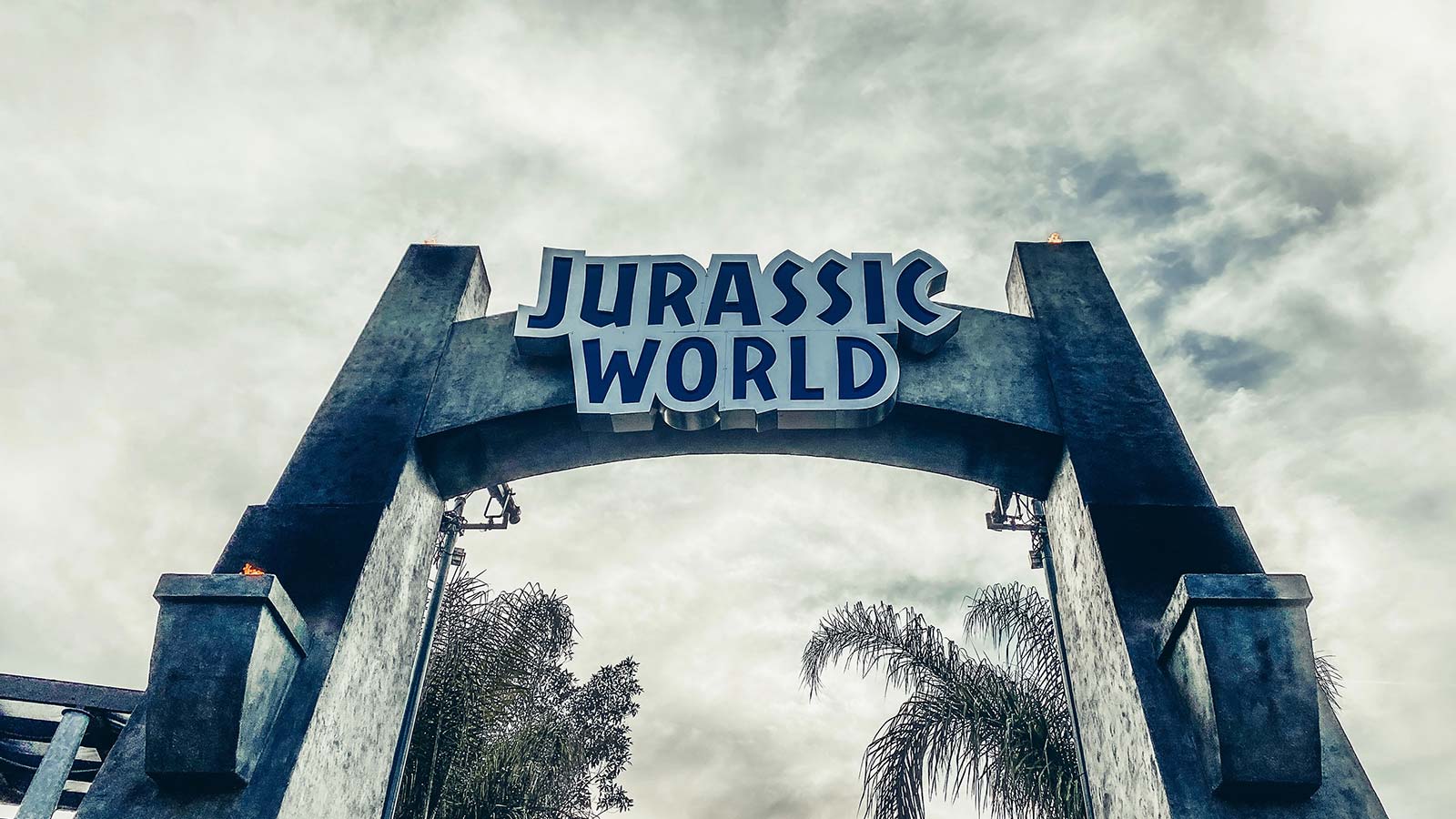

Jurassic Park, the 1993 film about dinosaurs, is a cultural tour de force. Not only did the film herald a new era in computer-generated movie effects, it also revived the field of paleontology. And if that wasn’t enough, it raised questions about the ethics of DNA research.
Based on Michael Crichton’s novel by the same name, Jurassic Park told the story of an ambitious theme park that used resurrected dinosaurs as its attractions. But as the story unfolds, things start to go wrong.
In this Discovery episode of The Conversation Weekly, we speak with Travis Holland, a senior lecturer at Charles Sturt University in Australia. He researches media and fan studies, and has looked at the popular and scientific cultural impact Jurassic Park continues to have.
“We started to see through the mid part of the 1900s a dinosaur renaissance, where there was a spate of interesting research discoveries happening all around the world,” Holland said. “Jurassic Park came at the tail end of that. It took all of this new science and made it public.”
Philosophical questions
The film’s plot is based on the ability of scientists to produce animals from DNA and resurrect prehistoric animals using that technology. Since 1993, DNA science has developed so much that this premise is no longer a far-fetched science fiction plot.
The film — and its science — have influenced and shaped research not only in paleontology, but also in genetic technologies. In a somewhat prescient move related to genetic science, Dolly the sheep, the first cloned mammal, was born three years after Jurassic Park was released.
In a highly publicized announcement, the biotech company Colossal Biosciences is trying to bring back the woolly mammoth and other extinct species.

Jurassic Park posed the question to viewers that even if the science to resurrect extinct species did exist, should it be used? The film doesn’t resolve this question, and it’s one that has grown in importance as genetic technologies are becoming more sophisticated and mainstream.
Representation and art
Holland’s work considers Jurassic Park within a lineage of dinosaur representations and depictions — what he refers to as paleo-media. These representations of dinosaurs were a combination of thorough paleontological research and art.
“Charles R. Knight painted a mural called the Leaping Laelaps, which is these two therapod dinosaurs leaping at each other,” Holland says. “I’d suggest that that piece of art possibly inspired even the Velociraptors and the way they leaped in Jurassic Park.”
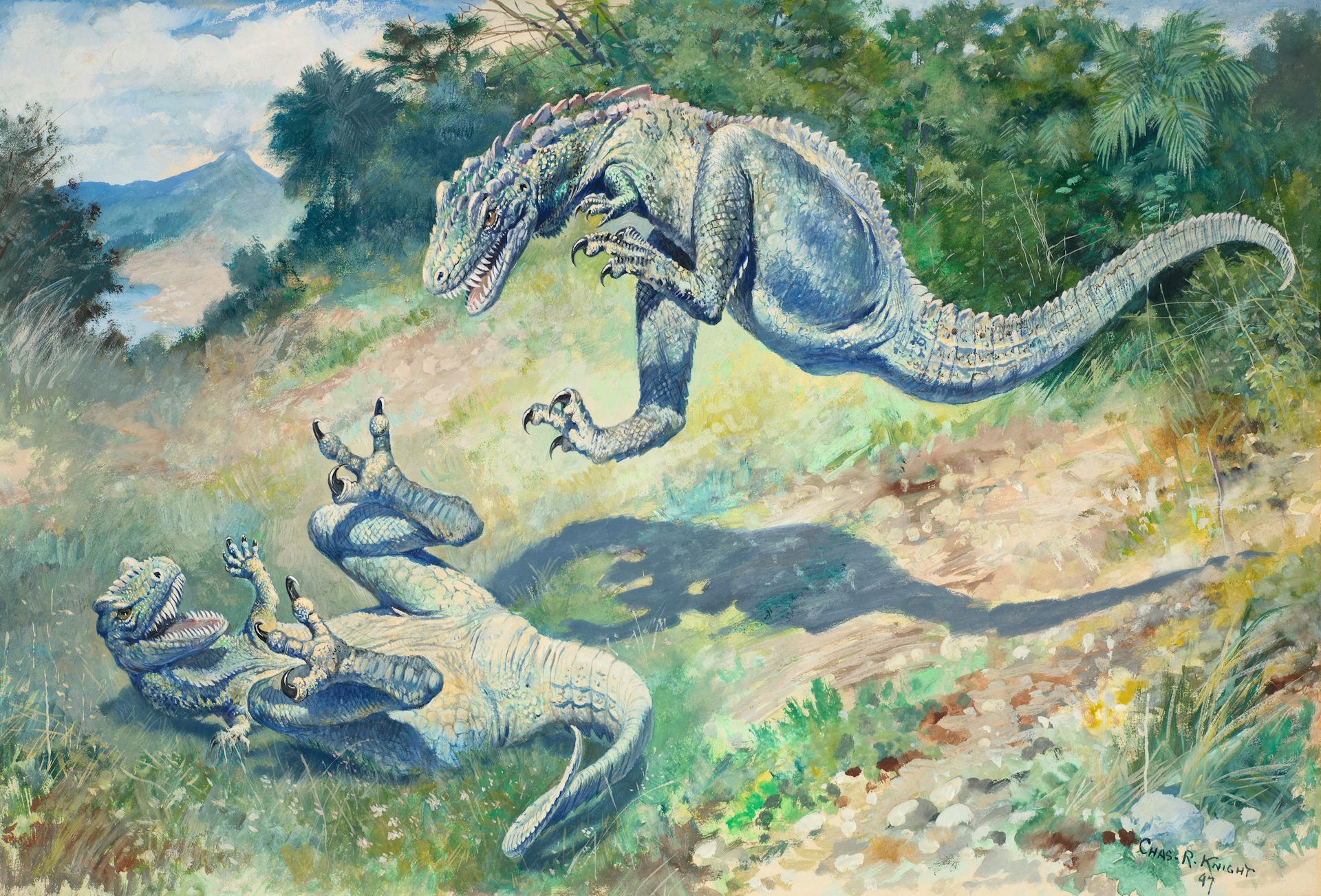
Leaping Laelaps (1897) (Charles R. Knight / Wikimedia Commons)
Since 1993, there have been a total of six Jurassic Park films released in the franchise, with the most recent one coming out last year. To hear how the film continues to inspire new generations of scientists, artists and filmmakers, tune in to this Discovery episode of The Conversation Weekly.
This episode was written and produced by Katie Flood and hosted by Nehal El-Hadi. Mend Mariwany is the executive producer of The Conversation Weekly. Eloise Stevens does our sound design, and our theme music is by Neeta Sarl.
You can find us on Twitter @TC_Audio, on Instagram at theconversationdotcom or via email. You can also sign up to The Conversation’s free daily email here. A transcript of this episode will be available soon.
Listen to The Conversation Weekly_ via any of the apps listed above, download it directly via our RSS feed or find out how else to listen here.
Written by Nehal El-Hadi, Science + Technology Editor & Co-Host of The Conversation Weekly Podcast, The Conversation
This article is republished from The Conversation under a Creative Commons license. Read the original article.