













In her speech at the 2020 Democratic National Convention Kamala Harris saluted seven women who “inspired us to pick up the torch and fight on.”
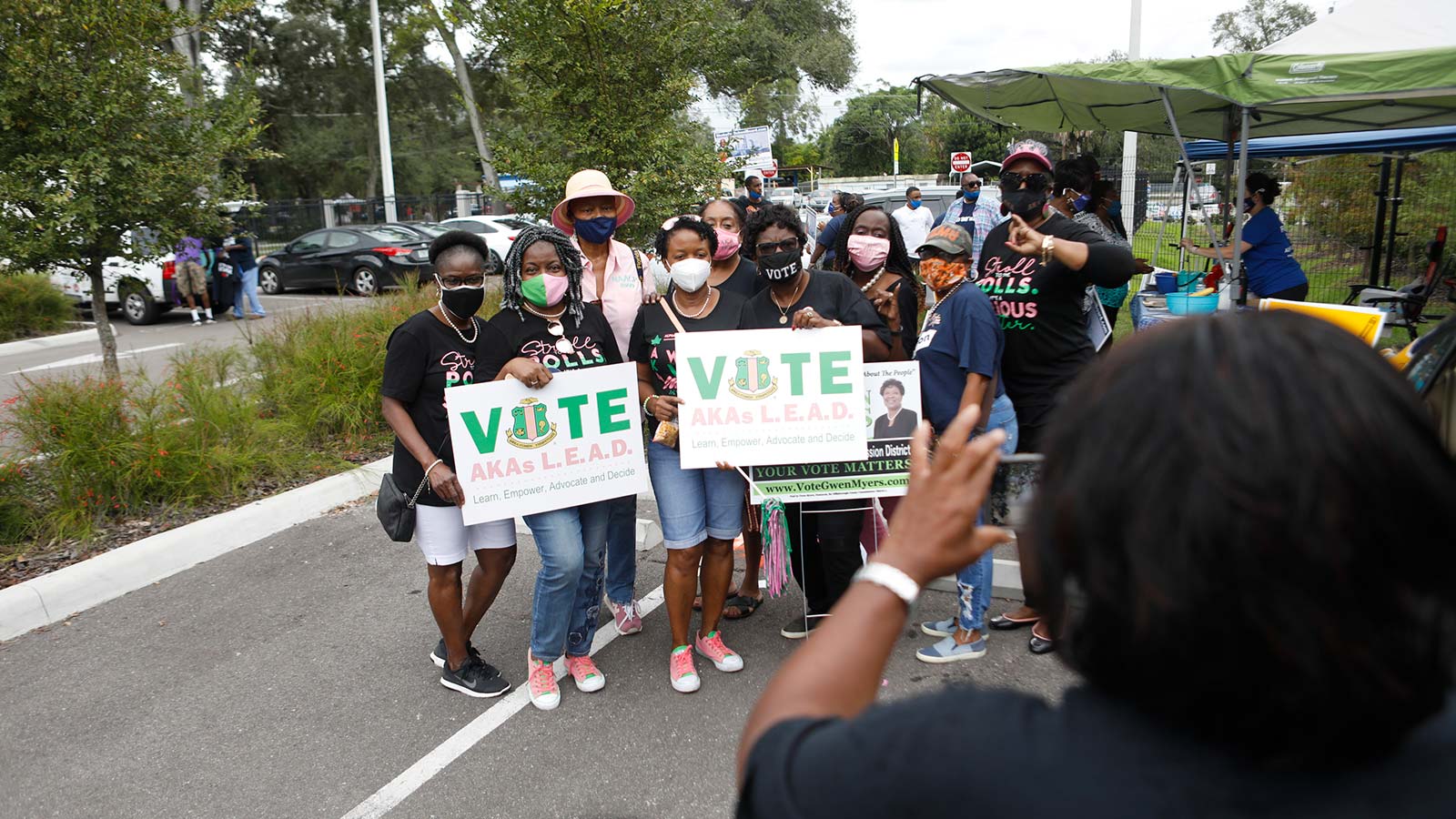
All but two of them, one of whom was her mother, belonged to Black sororities. Harris also mentioned her own Black sorority, saying: “Family is my beloved Alpha Kappa Alpha.”
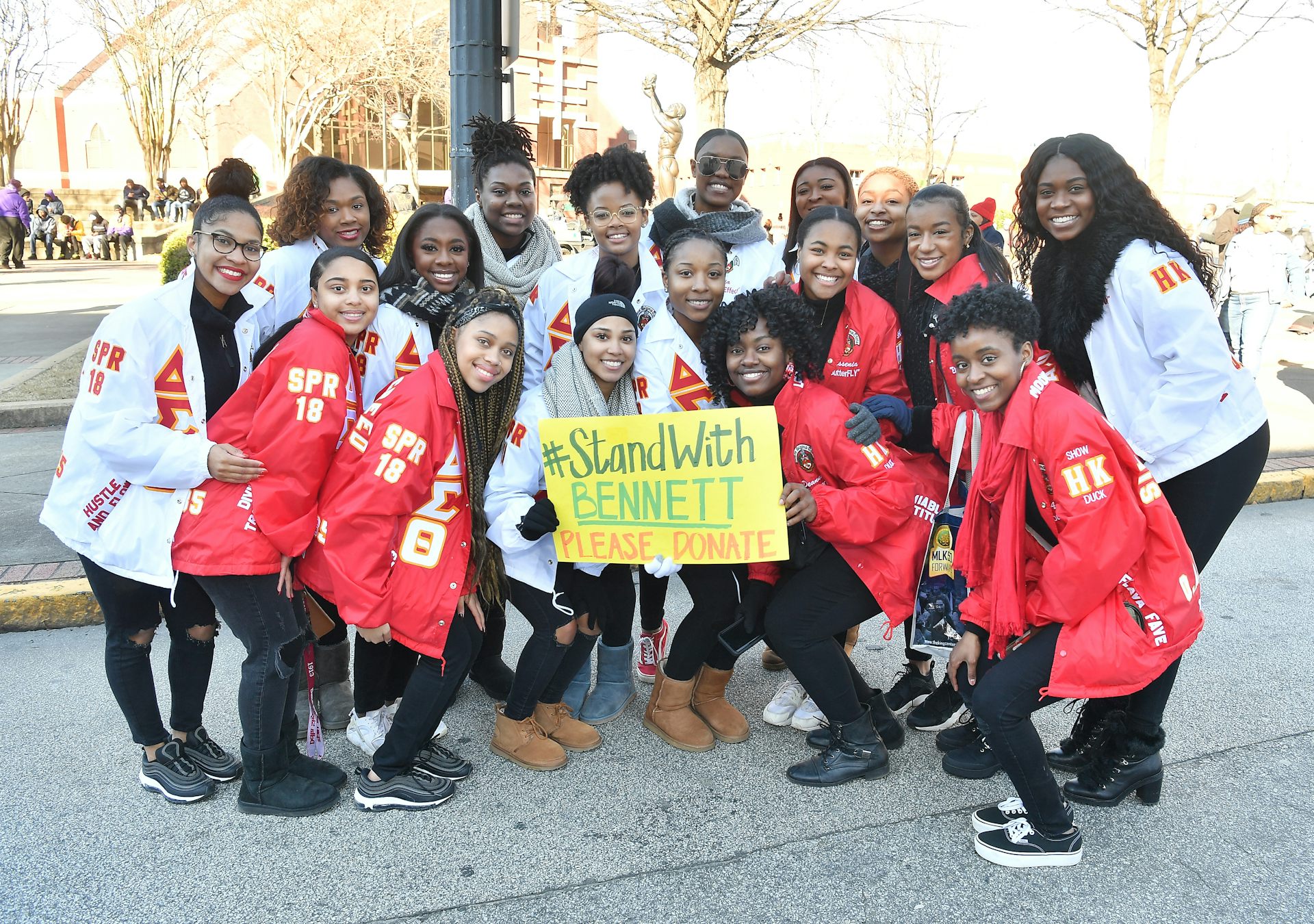
Many Americans may have wondered why Harris would invoke sororities on such an occasion. But not me. Like her, I am a proud member of a Black sorority: Delta Sigma Theta, which I joined as a student at Longwood University in Farmville, Virginia. If I were in Harris’ shoes, accepting such an unprecedented leadership role, I, too, would have paid homage to my sorority as a way to thank those on whose shoulders I stand.
This shoutout also resonated with me because I have researched the history of Black sororities and fraternities, including their dedication to combat discrimination and the lifelong family-like bonds they create.
The forerunners of Black sororities
The nation’s four Black sororities have always differed from white sororities in several ways, in part because of their historical roots.
Their origins are tied to the Black women’s clubs and mutual aid societies that first emerged with the Colored Women’s Progressive Association, established in 1880.
In 1892, after the author and activist Ida B. Wells-Barnett distributed her historic anti-lynching speech as a pamphlet, Black women’s clubs sprang up throughout the U.S. in major metropolitan areas and small cities.
These clubs focused on issues of interest to all American women at the time, including education, health and voting rights. But they also sought to combat racism and discrimination.

A call toward service
Young Black women who liked the groups’ insistence on equality and racial justice responded by creating Black sororities at their colleges. Students at Howard University in Washington, D.C. – Harris’ alma mater – created the first one, Alpha Kappa Alpha, in 1908. Female white students by then had begun to form similar groups on other campuses, many of which barred Black members.
Five of the “Divine Nine” Greek organizations Kamala Harris mentioned in her speech are fraternities, created in response to Black men not being included in traditionally white fraternities.
I believe that African American women created their own sororities as communities of resistance that would allow them to survive and achieve in an oppressive society, refute stereotypes, celebrate their own cultures and fight sexism and racism – including gendered racism.
The 6 women Harris saluted
The historically significant Black women, aside from her mother, whom Harris thanked in her speech were:
Mary Church Terrell, who founded the National Association of Colored Women’s Clubs, the largest federation of local Black women’s clubs. After becoming an honorary Delta Sigma Theta member in 1913, decades after graduating from Oberlin College, Terrell wrote the sorority’s oath and code of conduct. Mary McLeod Bethune, who established what is today Bethune-Cookman University in Daytona Beach, Florida, in 1904. She also became an honorary member of Delta Sigma Theta in 1923, a dozen years before founding the National Council of Negro Women, an umbrella group that brought together representatives from different organizations seeking to improve the lives of Black women and their communities. Fannie Lou Hamer, who co-founded the Mississippi Freedom Democratic Party in 1964 when the state’s Democratic Party barred Black participation. Her famous words “I am sick and tired of being sick and tired” are still a rallying cry for activists today. She was inducted as an honorary member of Delta Sigma Theta. Diane Nash, who became a leader and strategist of the student wing of the civil rights movement while attending Howard and then Fisk University. I have found no evidence, however, that Nash belonged to a Black sorority. Constance Baker Motley, who was the first African American woman to argue a case before the Supreme Court – winning nine of the 10 cases she argued before the court as an NAACP attorney. She was also the first Black woman to become a federal judge, the first to win a New York state senate seat and the first to represent Manhattan as the borough’s president. Alpha Kappa Alpha made her an honorary member. Shirley Chisolm, who won a House of Representatives seat in 1968. After becoming the first African American woman in Congress, she helped form the Congressional Black Caucus. Her 1972 presidential bid made her the first woman and African American to seek the nomination from a major political party. She joined Delta Sigma Theta as a Brooklyn College student. Continuing a tradition
Even today, the core mission of Black sororities remains civic engagement and racial justice.
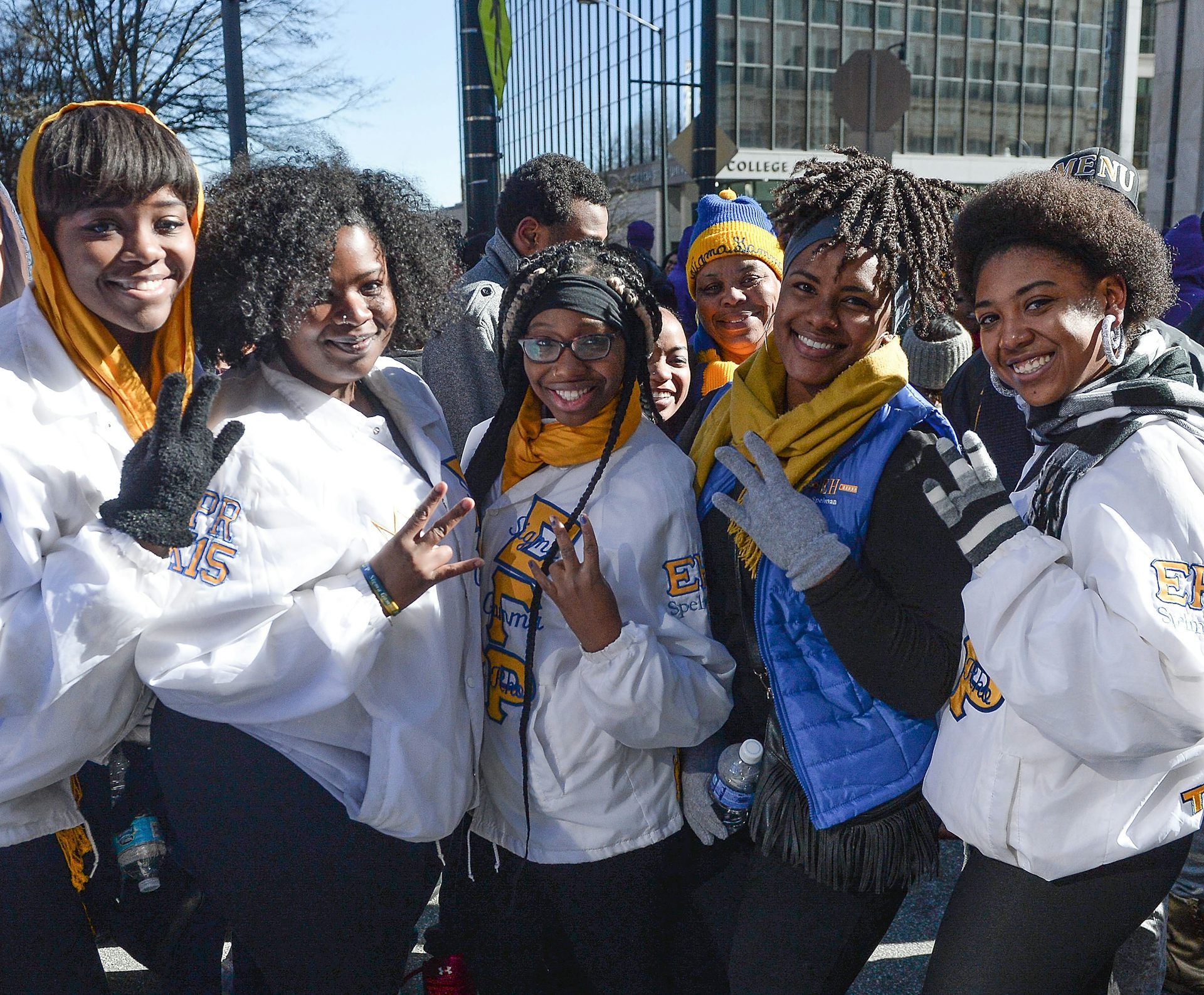
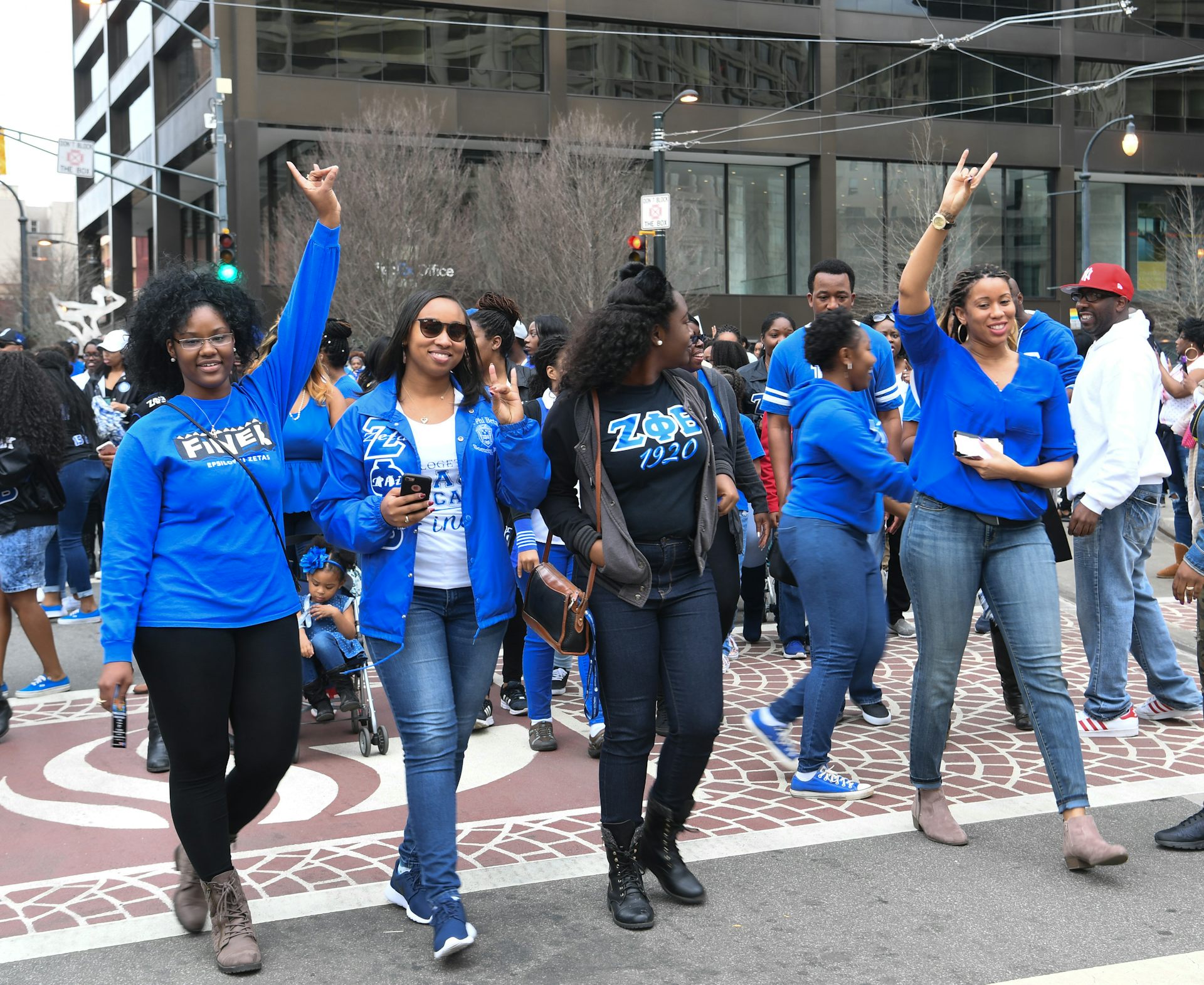
All members of sororities and fraternities may donate to social causes or volunteer as part of satisfying school community service requirements. A few make it their main focus. But across the board, Black sororities emphasize consequential and sustained community service, while their members are students and also once they’ve graduated from college. This is also true of the few white women who have joined Black sororities over the years.
[Insight, in your inbox each day. You can get it with The Conversation’s email newsletter.]
Like with biological families where members remain in the family no matter what, for Black women, sorority affiliation usually becomes a permanent part of their identity and an enduring source of pride and support.
Many members of Black sororities remain active and engaged for the rest of their lives. They join local chapters, changing their affiliation whenever they move. Through this practice, their bond of sisterhood remains intact.
When I moved to North Texas, for example, local sorority members reached out to me. They helped me acclimate and make connections so that I immediately felt welcome. I also remain engaged with the sorority chapter I joined at Longwood by mentoring students, donating to scholarship funds and through other means.
As Harris made clear in her speech, she believes she stands on the shoulders of phenomenal women who, years after they blazed trails, taught today’s Black women how to be persistent in creating change that benefits our communities, and how to teach others to follow in our footsteps.
They taught us to lift as we climb.
Written by Tamara L. Brown, Executive Dean and Professor of Psychology, University of North Texas. This article is republished from The Conversation under a Creative Commons license. Read the original article.