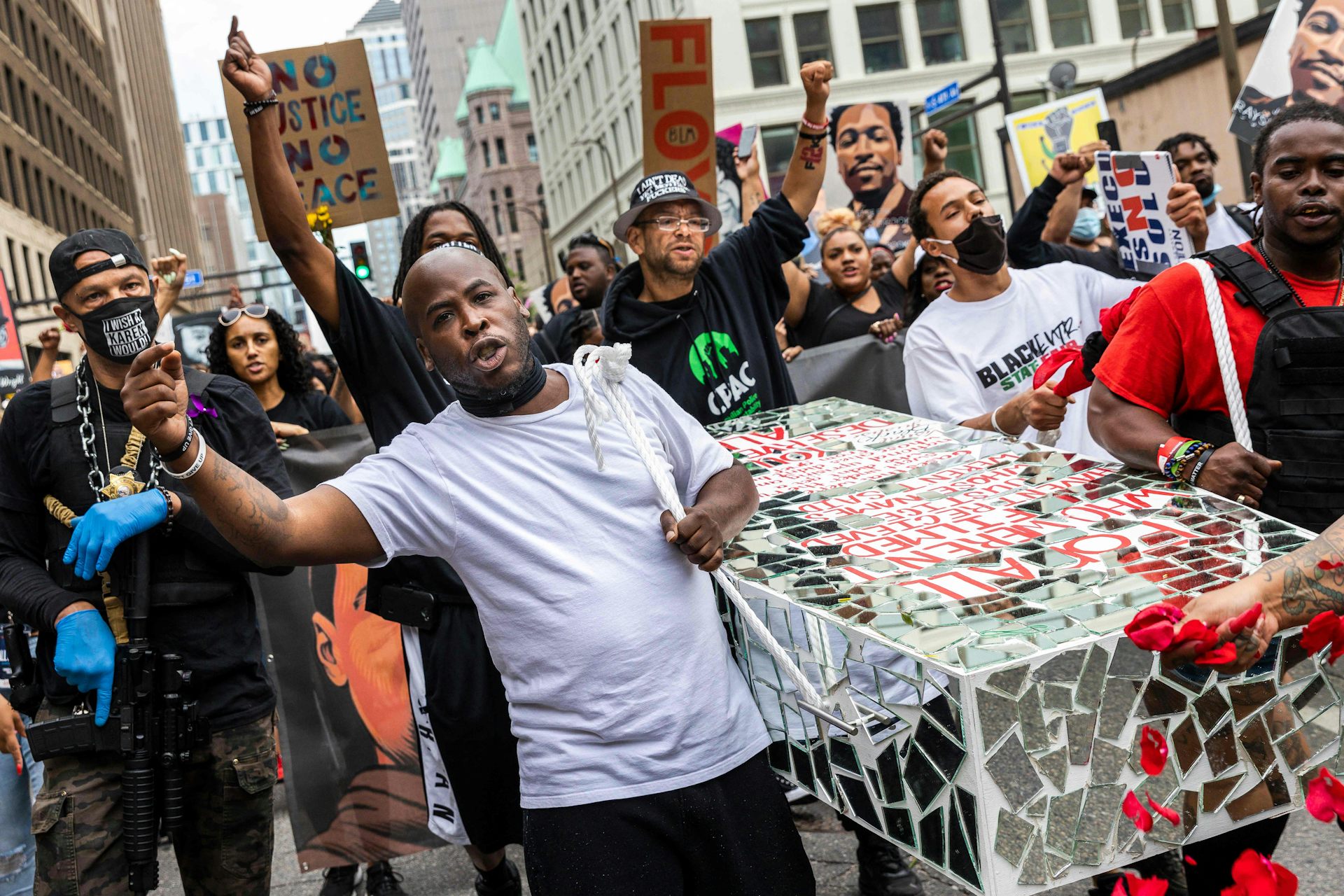











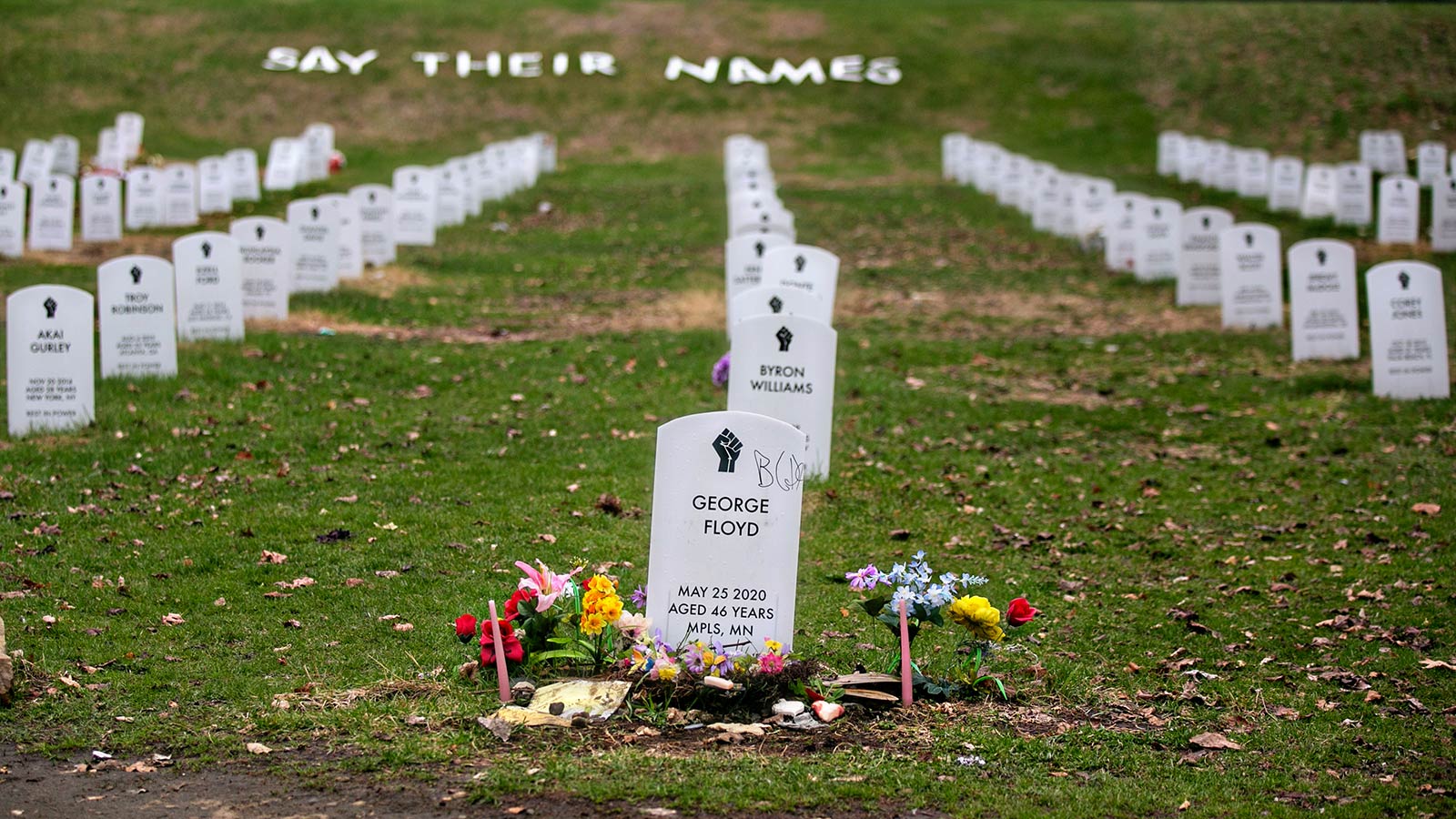

It’s been one year since George Floyd’s murder by a Minneapolis police officer set off the largest protests in U.S. history and a national reckoning with racism.
Beyond the protests, every police killing – indeed, every violent act by police toward civilians – can have painful and widespread consequences.
Each year, U.S. police kill about 1,000 people, which equals approximately 8% of all homicides for adult men. This risk is greater for Black men, who are about 2.5 times more likely to be killed by the police than white men.
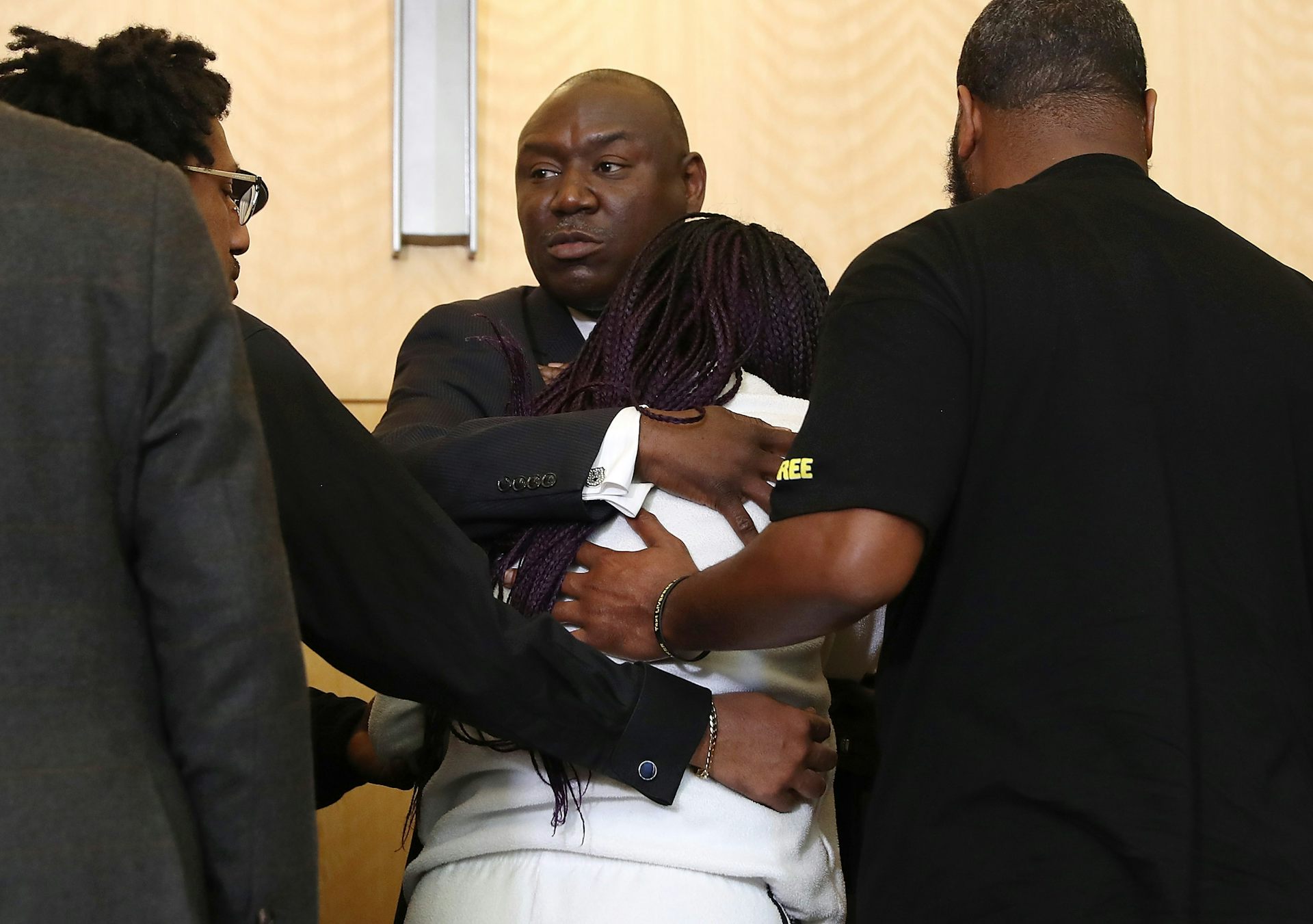
The effects of these killings ripple from the individual victim to their families and local communities as they cope with the permanence of injury, death and loss. People victimized by the police have demonstrated higher-than-usual rates of depression, psychological distress and even suicide risk.
But the pain doesn’t stop there.
Public health research I am conducting with my research team at the University of California, Berkeley finds that the harm from police killings of Black people goes beyond the people and places directly involved in these incidents to affect Black Americans far from the site of the killing, who may have never met the victim.
Evidence shows that many Black Americans across the U.S. experience police killings of other Black people as traumatic events, and that this trauma diminishes the ability of Black communities to thrive.
The ripple effect
One of the key studies illustrating this ripple effect of police killings on the mental health of Black Americans was published in the medical journal The Lancet in 2018.
Boston University researchers surveyed 103,710 people in the U.S. to measure the relationship between police killings and Americans’ mental health. Among survey respondents, each police-related fatality of an unarmed Black person in the state where they lived was associated with an increase in the number of days when they reported poor mental health relating to stress, depression or emotional issues.
The authors estimated that the cumulative impact of U.S. police killings of unarmed Blacks could add up to 55 million additional poor mental health days for the U.S.’s 44 million Black people.
Police killings of armed Black people did not elicit the same distress among Black Americans. And white Americans suffered no additional poor mental health days, as defined by the researchers, after exposure to police killings – no matter the circumstances or race of the victim.
The authors speculated that historical and institutional patterns of systematic, targeted violence against Black people – combined with a general lack of legal consequences when police officers commit such crimes – make the killings of unarmed Blacks particularly stressful for Black Americans.
“Racism, like trauma, can be experienced vicariously,” they concluded.
A 2021 study substantiates the Boston University’s mental health findings.
Scouring emergency department admission records in 75 counties in five U.S. states, researchers found that within three months following a police killing of an unarmed Black person in the county in which they reside, Black Americans sought treatment at local emergency departments for depressive symptoms 11% more frequently than in other months.
Prenatal and childhood trauma
Black women experience acute fear that their children will be harmed by the police.
Those who expressed beliefs that Black youth are at higher risk for having negative police experiences were 12 times more likely to report symptoms of depression during their pregnancy than other women, according to one study from 2017.
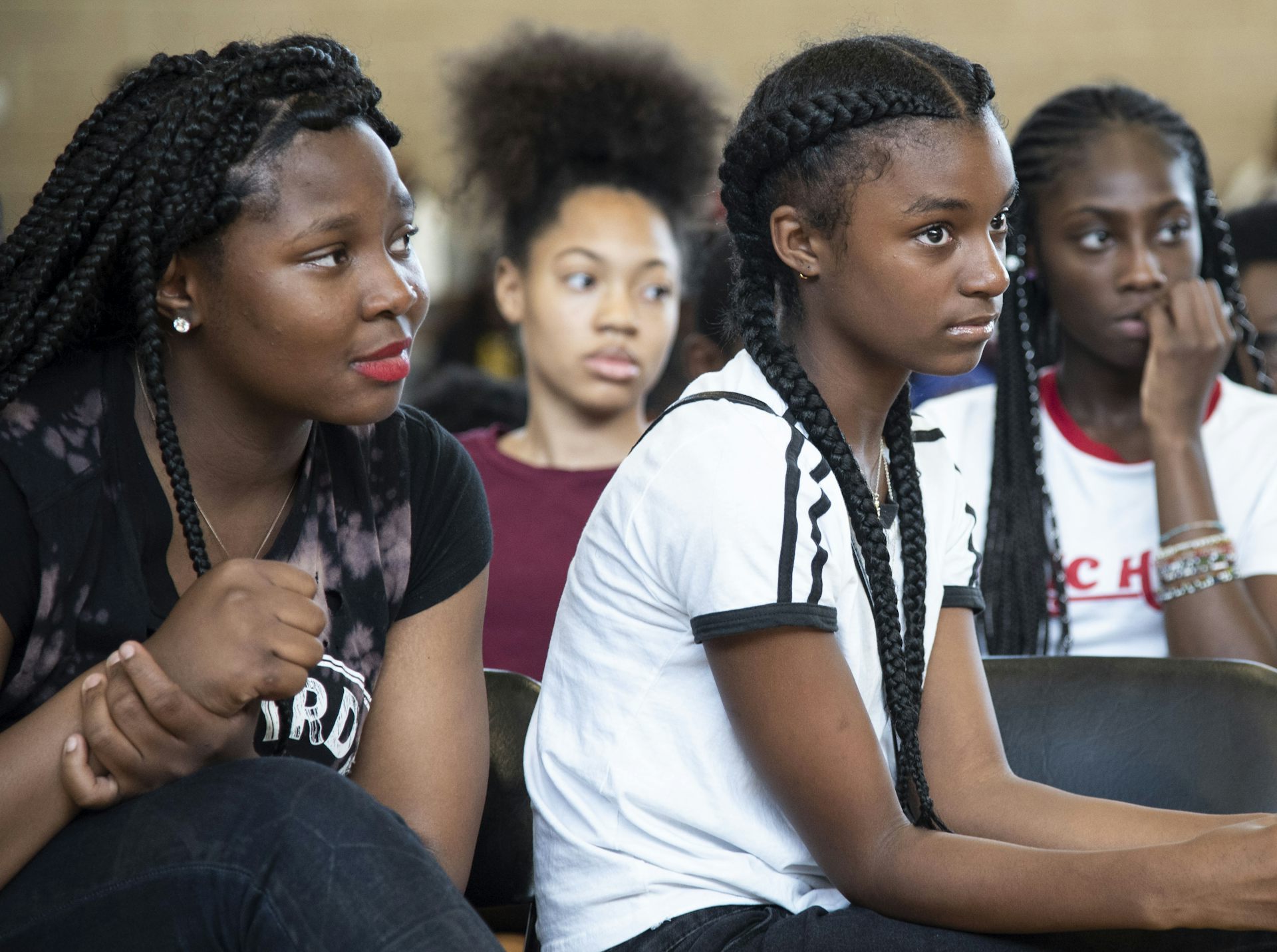
Depression during pregnancy can increase the risks for health problems for both parent and child, including newborns with low birth weight or premature delivery – both major causes of infant death. Depression during pregnancy also puts new mothers at higher risk for postpartum depression, which may negatively affect their ability to nurture their children. Police killings can also directly harm the mental health of young people of color. According to Brendesha Tynes’ 2019 study, exposure to viral videos of police killings is associated with symptoms of depression and post-traumatic stress disorder among adolescents of color.
Health effects
Police killings and other negative encounters with police create a climate of fear in Black communities that takes a physical toll on residents.
For example, aggressive policing can cause fear and excessive watchfulness among Black Americans that, at elevated levels, are associated with high blood pressure. A New York City-based research team found in 2016 that in neighborhoods where police engaged in the invasive practice of “stop and frisk,” residents were more likely to have not only high blood pressure but to also suffer from diabetes, get asthma attacks and be overweight.
A 2016 study conducted in 75 metropolitan areas across the U.S. found that a police killing of a Black person in the area the year prior was associated with a 7.5% rise in local syphilis rates and a 4% rise in gonorrhea rates – perhaps, the authors suggest, because the associated psychological stress leads to riskier sexual behavior. Fear of a police run-in and distrust of institutions might also lead people in these areas to avoid medical services.
Police violence in a given neighborhood is also linked to lower trust in government, less frequent voting and higher crime rates. It decreases residents’ perception of their ability to stand together and control what happens in their neighborhood.
Policing seen as racism
Many people in heavily policed neighborhoods see negative police encounters as forms of discrimination or racism – both of which are scientifically documented to worsen the health of Black people.
“People understand that this system is filled with all sorts of inequality and injustice, and that implicit bias and just outright racism is embedded in the way that policing is done in this nation,” said Opal Tometi, a co-founder of Black Lives Matter, in a recent interview with the New Yorker. It amounts to “a war on Black life.”
Ultimately, the cumulative impact of harmful policing can shred the social fabric of Black neighborhoods and drain Black people and their communities of the health and social resources they need to live healthy lives. Written by Denise A. Herd, Professor of Public Health, University of California, Berkeley
This article is republished from The Conversation under a Creative Commons license. Read the original article.