






Music education – which traditionally has been heavily reliant on large ensembles and classical music – is changing with the times. Not since the introduction of the school wind ensemble in the 1920s or the growth of marching band in the 1950s has music education undergone such a transformation.
The changes occurring now have been developed to bring more students into school and community music classes at all levels of education, from kindergarten to college.
As a music education professor – and as one who is conducting research on how to create new classes that go above and beyond the traditional band, choir and orchestra offerings – I believe this is one of the most exciting times in the world of music education. Here are five ways that music education is changing in America’s schools:
1. Students are making their own songs
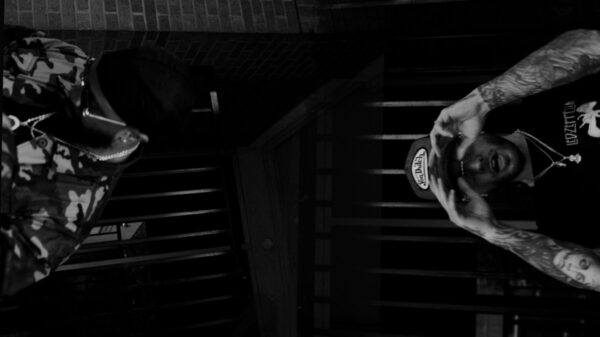
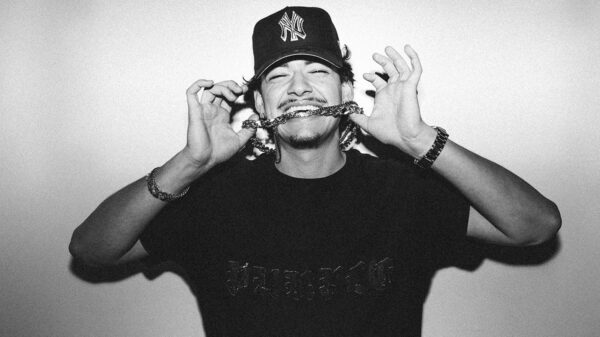
In 2021, Florida became the first state to offer an All-State Popular Music Collective for students in high school. As members of the collective, the state’s best student pop singers, drummers, guitarists, DJs, bassists and keyboardists perform their original music in an auditioned group. They perform music from hip-hop to pop and rock.
In 2023, Missouri started The Collective – its version of the Florida offering. Students send in an audition video. If selected, they become a member of a band of around 15 people who write songs together and perform at the state conference, along with the best concert band, concert choir and orchestra students in the state.
As of now, 15 states are offering a similar type of experience for their students.
There are a growing number of opportunities for students to study hip-hop at the collegiate level. Schools like the University of South Florida, where I teach, have joined established programs at the University of Southern California, the University of Miami and Belmont University as places where you can learn how to make hip-hop as well as pop, rock and country, among other styles.
2. Smaller ensembles
In the middle of the 20th century, school music focused on large ensembles performing primarily classical music arrangements. Since the 1990s, offerings like winter drumline – with marching percussion and color guard – and complex theatrical marching band shows, which incorporate contemporary instrumentation, have extended those offerings and broadened the spectrum of acceptable styles.

Modern bands have popped up in schools all over North America, featuring smaller, more contemporary instrumentation, modern musical instruments and tools that sometimes includes turntables and effects processing. They seek to look more like the world of music outside of the school.
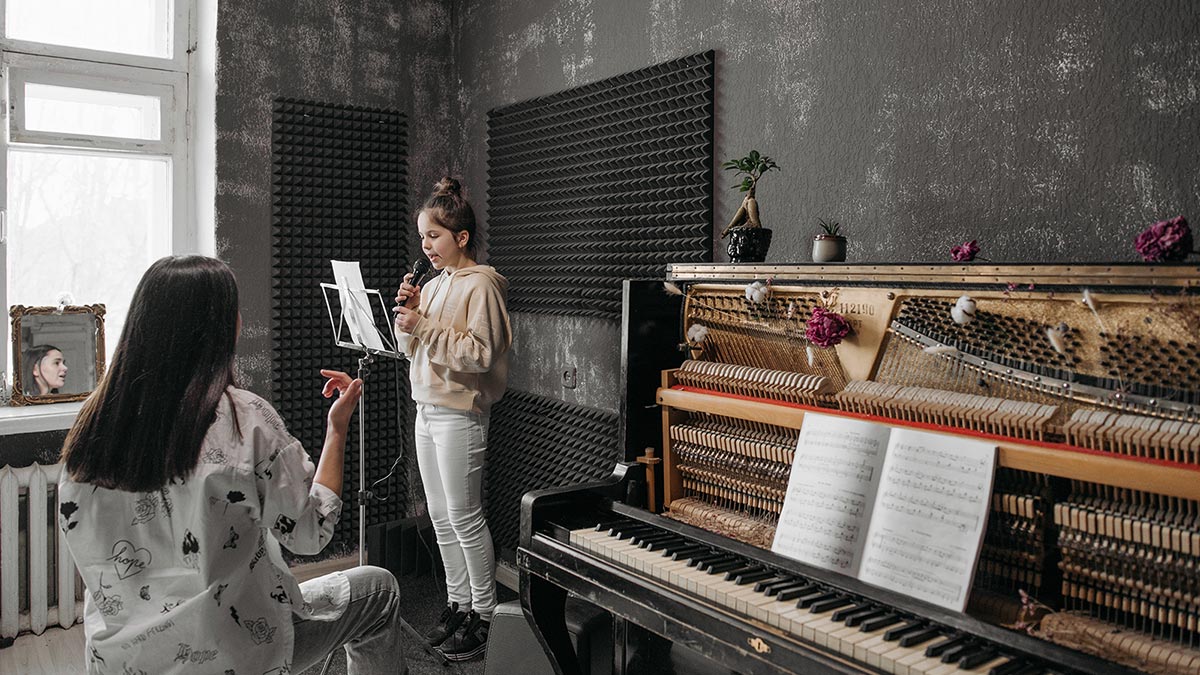
3. Teaching that focuses more on the student
For much of the past 100 years, music teachers have focused on being able to teach large numbers of students – that is, 100 or more. Instructors across the U.S. and Canada teach marching bands made up of 200-plus students.
Music instructors are some of the only teachers in the school who want more students in their classes.
Pedagogical practice consists of managing large groups of students as efficiently as possible. But this approach tends to discourage individual voice and autonomy. That’s changing. With smaller ensembles comes more room for multiple student creativities and more flexible performances.
4. Technology driven performances
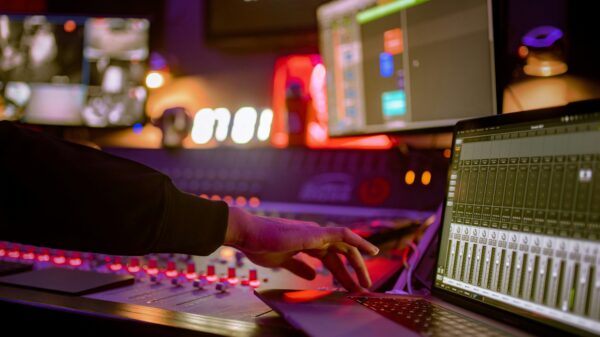
Music education has become more and more technology driven, both in its performance and delivery. In smaller ensembles and in pop music, it’s important to understand how mixers, public announcement systems and all digital instruments work. You do not have to know how to set up a mixing console to have a successful traditional concert band performance.
Maschine and Push are two instruments that have become popular for creating beats and multilayered ambient textures. They satisfy a desire among students to create music that they might hear on the radio but also maybe in a video game that they’re playing or in a movie that they’re watching.
Turntables have gone from being carried around by DJs – along with crates of records to scratch – to hardware devices. Musical effects that are triggered by the performer or someone offstage are common practice in the professional world of music making. These practices are spilling over into music education.
5. Recording in addition to performing
Ever since 1877, people have been recording musical sounds. Over that time, individuals have been honing their abilities to record other musicians. It has become an art in its own right.
The life of a musician is made up of two primary focuses: performing and recording. While performing is a part of school music education, recording has been almost entirely ignored as something that students do, until now.
Teachers have been able to easily record students’ music only via digital audio workstations over the past 20 years.
We are in a new era when school recording studios are more the norm and contemporary and commercial music have entered schools of music.
About 1 in 5 students in high school are part of a music program, largely through traditional bands, choirs and orchestras. But that number could shift as music education continues to evolve to become more about the students and the music that’s dear to them, not just the classics and traditions of old.
Written by Clint Randles, Professor of Music Education, University of South Florida
This article is republished from The Conversation under a Creative Commons license. Read the original article.