










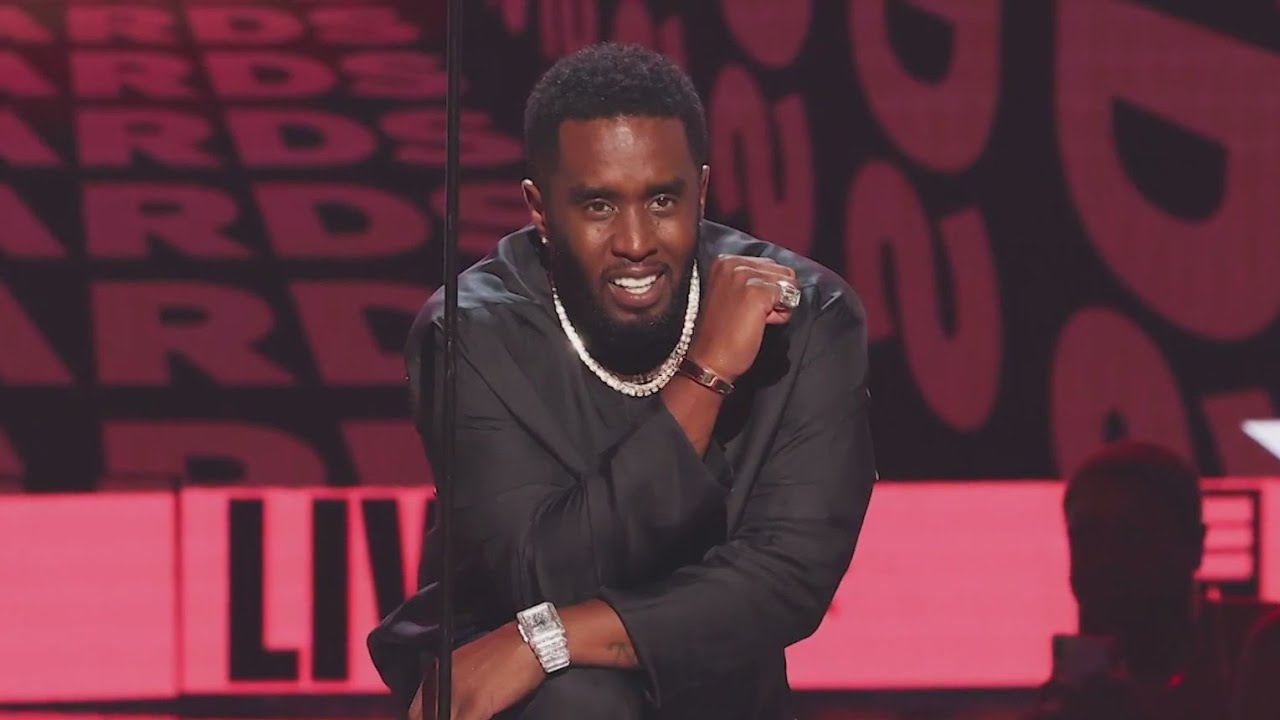

TLDR: The Diddy case highlights how alleged crimes were ignored by observers at social events for years. Enabling, complicity, and active participation by witnesses contributed to a culture of silence, raising questions about accountability and societal response to sexual exploitation.
Were Alleged Crimes by Diddy Ignored?
The billionaire hip-hop producer Sean “Diddy” Combs was charged in September 2024 with sex trafficking and a range of other offenses – and continues to be hit with lawsuits from alleged victims.
Perhaps one of the most stunning aspects of the unfolding case is the large number of people who may have been witnesses to the alleged crimes. Most of these assaults allegedly occurred at crowded social events and parties since at least 2001.
Related
- Diddy Accuser Exposes A-List Celebs on The Lionel B Show
- New Lawsuit Claims Diddy Raped a 13-Year-Old with Another Celeb
- Shyne on Diddy Arrest: “This Is Someone That Destroyed My Life”
Combs’ trial is scheduled to begin in May 2025. This case raises important questions about observers who witness sexual exploitation and how they respond – or stay silent.
Sexual exploitation involves using someone sexually for one’s own advantage without their permission – for example, through physical force, threat of harm, misuse of authority or when they are incapacitated from drugs or alcohol. This can encompass acts that are sometimes labeled as sexual harassment, sexual assault or rape.
We know from research that many observers do nothing when they witness sexual exploitation.
People often do not realize that their inaction may contribute to more sexual exploitation occurring.
It is helpful to understand why people often do nothing when they see sexual exploitation by distinguishing three rough categories of observers: people who enable exploitation, people who are complicit in the abuse and others who actively participate in the wrongdoing.
Social scientists, including the three of us, have long known that it is typical for people who see or know of sexual exploitation to respond by ignoring it, rationalizing it or minimizing it.
These people, whom we could call enablers, do not directly participate in sexual exploitation. But their silence and passivity contribute to the exploitation continuing or escalating. Enabling sometimes happens because of power dynamics, or because people fear negative career or social repercussions from the exploiter. Others who do nothing may not recognize that the incidents are exploitative, or they may convince themselves that what they are seeing is no big deal – or it isn’t their business.
By not acting to prevent harm, enablers commit wrongdoing through omission.
Other observers become complicit in sexual exploitation and aid in the crime by helping the perpetrator commit the act in some way.
Complicity could include encouraging a perpetrator to engage in the exploitation or helping cover up evidence that it occurred. It can also mean trying to silence or shame the victim.
Complicity might look like a fraternity brother who helps his friend get a woman drunk so that he can take advantage of her, or a teammate who convinces a victim not to report the sexual exploitation perpetrated by the star quarterback because it will cost him his scholarship.
Many people do not realize that this kind of help can result in the complicit party being charged with the central crime in some cases, or with lesser charges that still carry legal culpability.
Not all complicity may reach the level of illegal activity – but from our perspective, complicity represents a failure to contribute to maintaining a safe and civil society, even if it is not technically illegal.
The most egregious kind of nonintervention is committed by people who actively join in perpetrating sexual acts. Often this happens when victims are incapacitated by alcohol or drugs. Several of the allegations against Combs mention victims who were reportedly intoxicated and for whom there were alleged co-perpetrators.
When more than one person engages in sexual acts with someone who is unconscious from drugs or alcohol, it is sometimes referred to as gang rape.
Most typically, co-perpetration involves two perpetrators, although occasionally there are more people involved. Our recent research shows that among Americans who experienced an act of illegal sexual exploitation, 19% of them reported that at least one of the sexual crimes against them included more than one perpetrator.
All of these behaviours actively contribute to sexual exploitation, protect perpetrators from negative consequences, discourage victims from getting support or justice – and ultimately serve to maintain alarmingly high levels of sexual exploitation.
We know that individuals are much more likely to intervene to help someone who is injured or experiencing a medical emergency than someone who is being sexually exploited.
We think that we must acknowledge that sexual exploitation is an emergency requiring a response. This recognition is, perhaps, the first step in acting together to intervene and address sexual exploitation.
Written by Zoe D. Peterson, Director of the Sexual Assault Research Initiative at the Kinsey Institute and Professor of Applied Psychology in Education and Research Methodology, Indiana University; Mary P. Koss, Regents’ Professor of Public Health, University of Arizona, and RaeAnn Anderson, Assistant professor in health sciences, University of Missouri-Kansas City
This article is republished from The Conversation under a Creative Commons license. Read the original article.

An attorney holds a press conference in Los Angeles on Sept. 24, 2024, with Thalia Gates, right, an alleged victim of Sean “Diddy” Combs. (Rodin Eckenroth / Getty Images)
Those who enable

Those who are complicit
Those who join in the abuse

Homeland Security Investigation agents are seen at the entrance of Sean Combs’ Miami Beach, FL, home on March 24, 2024. (Giorgio Viera / AFP via Getty Images)
The first step forward