











Northern Irish hip-hop trio Kneecap have been making waves, not just as musicians, but as language activists who rap in both English and their native Irish. In Belfast’s Gaeltacht Quarter, Irish is a living language. It is also a political statement – a form of resistance against British cultural dominance.
Kneecap’s music is having a big impact, particularly on young Irish people. While language study in Northern Ireland is declining overall, the number of students taking Irish at the GCSE level has increased in recent years.
This isn’t an isolated trend. Indigenous communities the world over are working to save and strengthen their own languages. Languages don’t die on their own. They are driven to endangerment by colonialism and assimilation – actively minoritized.
In the modern nation of Australia, all Aboriginal and Torres Strait Islander languages are now under threat. Australia suffers from a bad case of “monolingual mindset” which can blind us to the cultural and social benefits of multilingualism.
About 120 First Nations languages are spoken here today. A dozen traditional and several new languages are still learned by Aboriginal children.
Many other “sleeping” First Nations languages are being revitalized through inspiring work around the country.
Resistance through language and music
Kneecap’s impact shows music can be a powerful force for language revival. Songs are the crown jewels of cultural heritage, and a common way to connect with a treasured heritage language.
They belong to the family and community domains, which are crucial for passing on language. Songs can make language more visible, memorable, and even help it go viral.
From punta-rock in Belize to pop-folk in Chulym (Siberia), communities are using old and new songs to revitalize their languages.
In Australia, song has always been central to language keeping and storytelling. This is felt powerfully among the Yorta Yorta people, including co-author Josef Tye.

Take the song Ngarra Burra Ferra, a Yorta Yorta translation of the African-American spiritual Turn Back Pharoah’s Army. It was introduced in 1887, at the Maloga mission in New South Wales, by the African-American travelling Fisk Jubilee Singers. The song’s theme of escaping enslavement resonated with the Yorta Yorta’s own experiences of colonization.
Translated by Yorta Yorta Elder Theresa Clements, and transposed by Tye’s great-great Grampa Thomas Shadrach James, Ngarra Burra Ferra became a powerful act of defiance and language preservation. It would go on to feature in the 2012 film The Sapphires.
In the Victorian context, language revitalization is a key component of resistance to colonial oppression. It also plays a crucial role in implementing our Peoples’ ambitions around Truth Telling and Treaty.
Many Victorians are unaware they’re speaking terms from Indigenous languages every day. The linguistic landscapes of Victoria and Naarm are rich with Indigenous names and words, and should serve as a reminder of the First Peoples of this continent.
Activating Indigenous languages through song
Many contemporary Australian artists are centring First Nations languages in their music. Earlier acts such Yothu Yindi, Warumpi Band and Saltwater Band paved the way for newer artists including Baker Boy, King Stingray and Electric Fields.
The public’s enthusiastic response suggests a bright future for musicians who look beyond English in their work. Here are five artists leading the way:
Emily Wurramara
A Warnindhilyagwa woman, Wurramara sings blues and roots in Anindilyakwa – the language of Groote Eylandt – and English. Her 2024 album Nara won the ARIA Award for Best Adult Contemporary Album, making Wurramara the first Indigenous woman to win the award. She was also named Artist of the Year at the National Indigenous Music Awards.
Ripple Effect
This all-female rock band from Maningrida (north-central Arnhem Land) sings about country, bush food, local animals and mythological beings in five languages: Ndjébbana, Burarra, Na-kara, Kune and English. Ripple Effect broke new ground in bringing female voices into Maningrida’s already prolific music scene. Their song Ngúddja (“language”) explicitly celebrates Maningrida’s linguistic diversity.
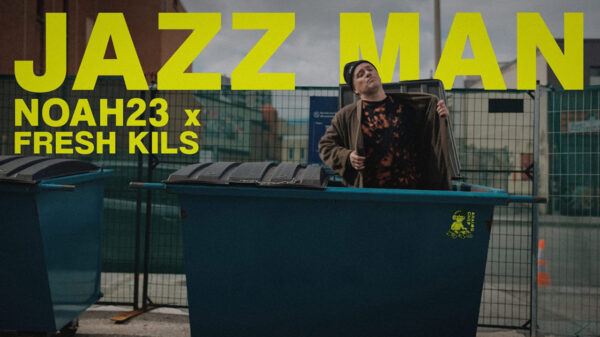
Neil Morris (also known as DRMNGNOW)
A Yorta Yorta, Dja Dja Wurrung and Wiradjuri yiyirr (“man”), Morris weaves together hip-hop, experimental electronic elements and sound design to explore Indigenous rights and culture in his work as DRMNGNOW. A passionate language advocate, he entwines Yorta Yorta language revitalization with muluna (“spirit”), Yenbena (“ancestors”) and Woka (“Country”). His latest release Pray is out now.
Aaron Wyatt
Noongar man Wyatt is a violist, composer, conductor and academic, as well as the first Indigenous Australian to conduct a major Australian orchestra. He has conducted works that have been trailblazers of language revitalization, such as Gina Williams and Guy Ghouse’s opera Wundig Wer Wilura in Noongar and Deborah Cheetham Fraillon’s children’s opera Parrwang Lifts the Sky, sung partly in Wadawurrung.
Jessie Lloyd
A musician, historian and song-keeper, Lloyd founded the Mission Songs Project to collect songs from the Aboriginal mission era. She recently launched the Aboriginal and Torres Strait Islander Songbook to support schools in bringing Indigenous music into the classroom.
For First Nations languages to thrive in the music scene and beyond, they need support through grassroots initiatives in communities, schools and public life. One such example is an award-winning song project run by Bulman School in the Northern Territory.
This project is revitalizing the local Dalabon and Rembarrnga languages, showing music can be a powerful and fun way to keep languages strong.
Where communities are supported to strengthen, use and teach their languages, the benefits for cultural and emotional wellbeing are clear.
Written by Jill Vaughan, Senior Lecturer, Monash University and Josef Noel Tye, Director Indigenous Innovation and Experience Programs, Monash University
This article is republished from The Conversation under a Creative Commons license. Read the original article.