











The idea of spending thousands or even millions of dollars to buy fictitious “land” in a virtual world sounds, to be frank, absurd.
But in recent months, we’ve seen significant investments in virtual land within the metaverse. PwC is among the latest to dive in, having purchased real estate in The Sandbox, a virtual gaming world, for an undisclosed amount.
If other reported sales are anything to go by, it would have been a handsome sum. One person recently bought a plot of land in the Snoopverse – a virtual world rapper Snoop Dogg is developing within The Sandbox – for US$450,000 (around £332,500).
Meanwhile, the Metaverse Group, a real estate company focused on the metaverse economy, reportedly bought a piece of land in Decentraland, another virtual platform, for US$2.43 million.
Let’s refresh on what the “metaverse” is. You probably heard the term a lot when Facebook re-branded to Meta in October 2021. Other companies, such as Nike and Microsoft, have also announced they will launch into this space.
The metaverse describes a vision of a connected 3D virtual world, where real and digital worlds are integrated using technologies such as virtual reality (VR) and augmented reality (AR). This immersive environment will be accessible through the likes of VR headsets, AR glasses and smartphone apps.
Users will meet and communicate as digital avatars, explore new areas and create content. The idea is the metaverse will develop to become a collaborative virtual space where we can socialise, play, work and learn.
There are several metaverses already – for example in virtual gaming platforms like The Sandbox and virtual worlds like Decentraland. In the same way a website is part of the broader 2D world wide web, individual metaverses will form a larger, connected metaverse.
Importantly, as in the real world, it is and increasingly will be possible to buy things in the metaverse – including real estate.
Virtual land as an NFT
Transactions in the virtual world are generally monetised using cryptocurrency. Other than cryptocurrenies, non-fungible tokens (NFTs) are the primary method for monetising and exchanging value within the metaverse.
An NFT is a unique digital asset. Although NFTs are primarily items of digital art (such as videos, images, music or 3D objects), a variety of assets may constitute an NFT – including virtual real estate. On platforms like OpenSea, where people go to buy and trade NFTs, there are now plots of land, or even virtual houses.
To ensure digital real estate has value, supply is limited – a concept in economics called “scarcity value”. For example, Decentraland is made up of 90,000 pieces or “parcels” of land, each around 50 feet by 50 feet.
We’re already seeing examples where the value of virtual real estate is going up. In June 2021, a digital real estate investment fund called Republic Realm reportedly spent the equivalent of more than US$900,000 to buy an NFT representing a plot on Decentraland. According to DappRadar, a website which tracks NFT sales data, it was the most expensive purchase of NFT land in Decentraland history.
But then as we know, in November 2021, the Metaverse Group bought their plot in Decentraland for US$2.4 million. The size of this purchase was actually smaller than the former – 116 land parcels compared to 259 bought by Republic Realm.

It’s not just Decentraland seeing appreciations. In February 2021, Axie Infinity (another virtual gaming world) reportedly sold nine of their land parcels for the equivalent of US$1.5 million – a record, the company said – before one land parcel sold for US$2.3 million in November 2021.
While it appears that values are climbing, it’s important to acknowledge that real estate investment in the metaverse remains extremely speculative. No one can be certain if this boom is the next great thing or the next big bubble.
The future of metaverse real estate
Financial incentives aside, you may be wondering what companies and individuals will actually do with their virtual land.
As an example, the Metaverse Group’s purchase is in Decentraland’s fashion precinct. According to the buyer the space will be used to host digital fashion events and sell virtual clothing for avatars – another potential area for growth in the metaverse.
While investors and companies are dominating this space at the moment, not all metaverse real estate will set you back millions. But what could owning virtual land offer you? If you buy a physical property in the real world, the result is tangible – somewhere to live, to take pride in, to welcome family and friends.
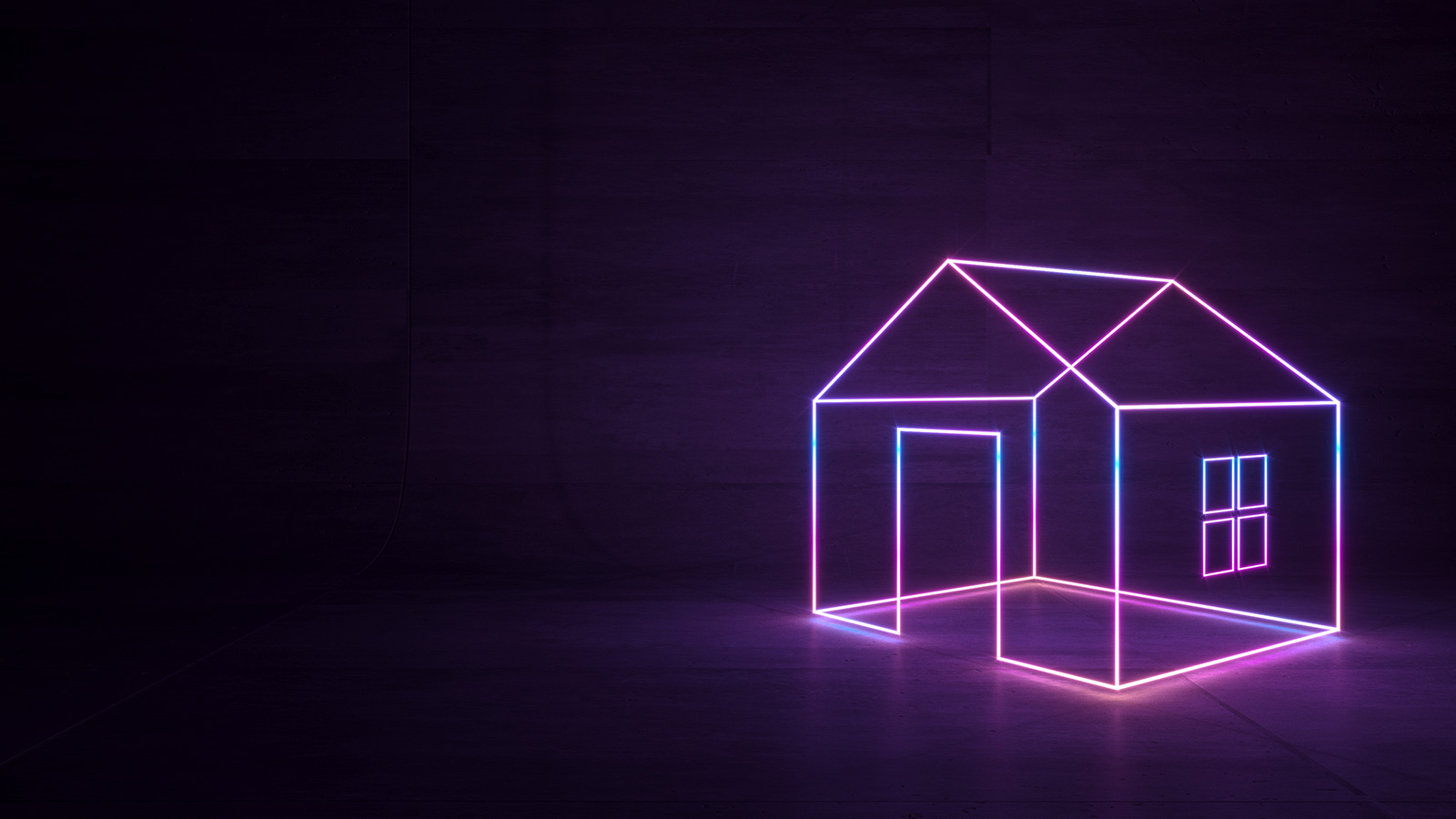
While virtual property doesn’t provide physical shelter, there are some parallels. In shopping for virtual real estate, you could buy a piece of land to build on. Or you could choose a house already built that you like. You could make it your own with various (digital) objects. You could invite visitors, and visit others’ virtual homes too.
This vision is a while away. But if it seems completely absurd, we should remember that once upon a time, people had doubts about the potential significance of the internet, and then social media. Technologists predict the metaverse will mature into a fully functioning economy in the coming years, providing a synchronous digital experience as interwoven into our lives as email and social networking are now.
This is a strange fantasy come true for someone who was a gamer in a former life. Some years ago, a younger version of my conscience was telling me to stop wasting time playing video games; to go back to study and focus on my “real” life. Deep inside I always had this wish to see gaming overlapping with real life, Real Player One style. I feel this vision is inching ever closer.
Written by Theo Tzanidis, Senior Lecturer in Digital Marketing, University of the West of Scotland
This article is republished from The Conversation under a Creative Commons license. Read the original article.