


















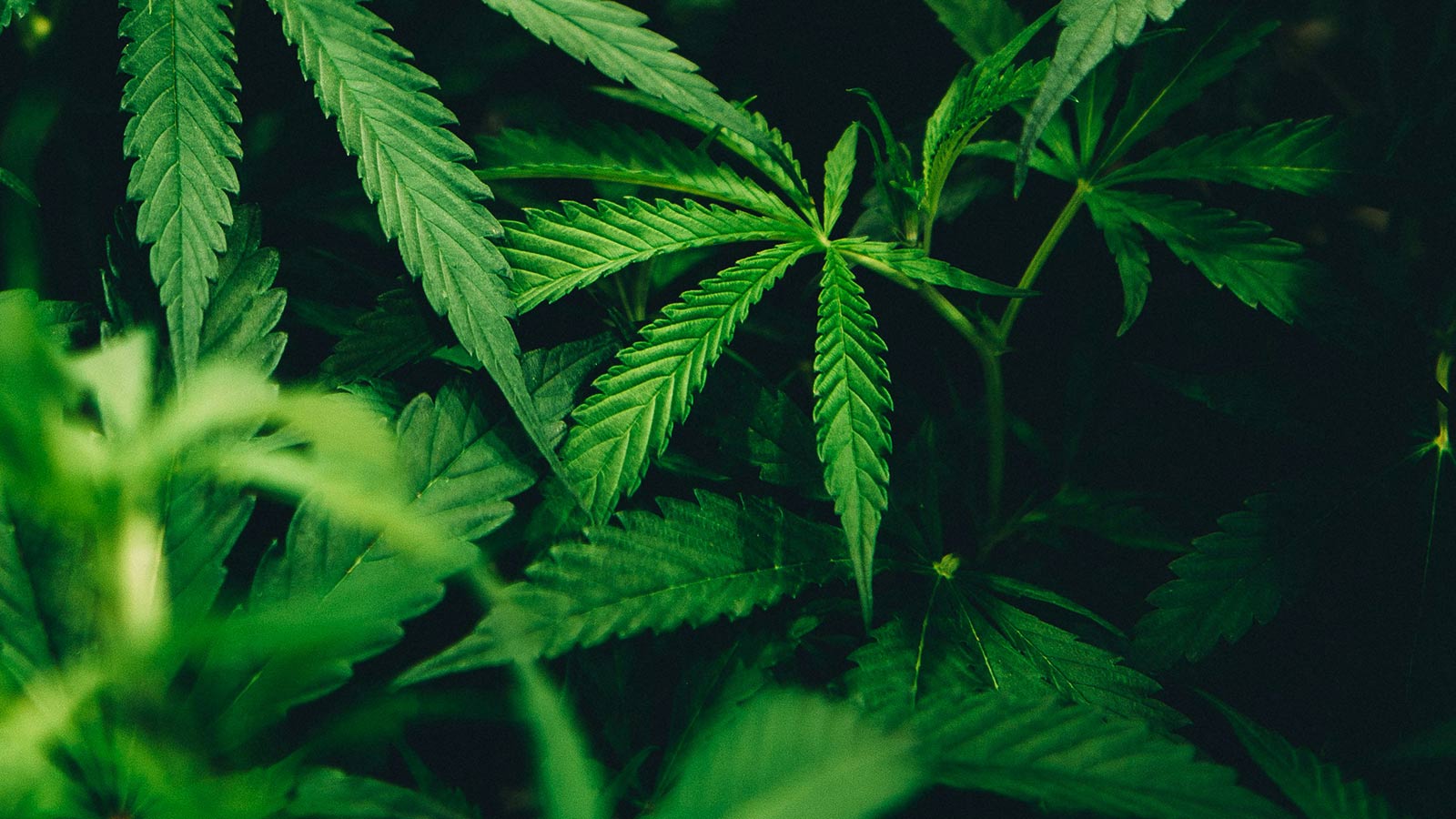

Thousands of Americans will soon gather to celebrate April 20 – or “4/20” – the most important day of the year for cannabis enthusiasts.
But this year, a cloud of uncertainty will hang over these celebrations. After years of success, the movement to legalize recreational and medical cannabis has stalled.
It’s a moment unlike any that I have seen in the 12 years that I’ve been researching cannabis legalization as part of my broader interest in U.S. drug policy.
Not so long ago, the movement had so much momentum that nationwide cannabis legalization felt virtually inevitable. That momentum is now gone.
The strategy to legalize cannabis through ballot initiatives is no longer working. The coalition of supporters that made this strategy work has frayed, and new research is raising concerns about the health impact of regular cannabis use. All of this constitutes the most significant challenge to the movement since it went mainstream in the 21st century.
Years of success
As a social movement, cannabis legalization has been extremely successful. Since 2012, 24 states and Washington have legalized recreational cannabis use. Forty-nine states and Washington have legalized medical cannabis use, though programs vary from state to state.
While cannabis remains illegal at the federal level, changes have happened there, too.
The 2018 Farm Bill, for instance, legalized hemp, a non-psychoactive derivative of the cannabis plant used to make textiles, rope and other consumer goods. While it wasn’t lawmakers’ intent, entrepreneurs figured out how to make products from hemp that contain enough of the chemical compound tetrahydrocannabinol, or THC, to be psychoactive. This fuelled growth of the hemp market, which in 2023 was valued at US$1.63 billion.
Additionally, the Biden administration in 2024 began the process of rescheduling cannabis under the Controlled Substances Act. It’s a course that has continued under the second Trump administration.
The scheduling system classifies substances based on accepted medical use and potential for abuse. Federal rescheduling would not legalize cannabis, but it would move it from the most restrictive Schedule I – which includes substances like heroin and LSD – to Schedule III, with substances like anabolic steroids, ketamine and codeine. It would recognize cannabis as having medical use.

Challenges emerge
With rescheduling still underway, it may seem odd to say that the legalization movement has stalled. But a closer look reveals significant challenges.
The biggest challenge can be found at the ballot box. The 2024 election was the legalization movement’s worst showing in years.
All three recreational legalization ballot measures failed. Only Nebraska’s medical legalization measures passed, but it has yet to be fully implemented due to ongoing political and legal challenges.
Then there’s the 2025 tax and spending package approved by Congress. When its new provisions go into effect later this year, they will dramatically alter the hemp market.
Many hemp products currently on shelves, like THC-infused beverages and gummies, will become illegal. Many businesses currently selling these products will be forced to close.
Some of this is already happening, as states like Tennessee and Iowa rush to pass restrictions on hemp products.
For instance, the dispensary closest to my university in Iowa has just closed. Once a growing business that employed 30 people, it was forced to shut down after new state laws significantly limited what they could sell. This crackdown on the hemp market is particularly significant in states like Iowa that have no legal market for recreational marijuana use and only a limited medical marijuana market.
No single reason for current slump
Several factors are driving these changes.
One is politics. While the vast majority of Americans support marijuana legalization, the approval is much higher among Democrats and independents than it is among Republicans.
Of the 26 states where recreational marijuana has not been legalized, 20 of them have state governments that are under total Republican control. Another four have Republican-controlled legislatures. Pennsylvania’s legislature is split between Republicans and Democrats. Only Hawaii has a Democrat-controlled state government that has not legalized recreational cannabis.
Then there is the health issue. A growing body of evidence is raising concerns about the negative impact of regular cannabis use that includes the risk of cannabis addiction, psychosis, anxiety and depression.
Researchers are also questioning cannabis’ efficacy as medicine. Several recent reviews have concluded that there is insufficient scientific evidence to support the therapeutic use of cannabis for most of the conditions for which it is consumed, such as insomnia and acute pain. A review of cannabis’s use for treating mental health conditions came to a similar conclusion.
Citing such evidence, The New York Times editorial board recently recanted some of its earlier support for legalization. The newspaper wrote, “The unfortunate truth is that the loosening of marijuana policies … has led to worse outcomes than many Americans expected,” adding, “It is time to acknowledge reality and change course.”
The coalition of supporters frays
Still another issue is conflict within the legalization movement itself, particularly between the business and activist wings.
The tension between these groups is long-standing, with activists often accusing members of industry of being more focused on money than justice. And as the cannabis industry has grown, these tensions have become more acute.
In 2022, for example, the pro-cannabis organization True Social Equity in Cannabis sued three Illinois cannabis companies for engaging in coordinated anticompetitive practices and violating federal antitrust laws. In court documents, they called the three companies the “Chicago cartel,” before voluntarily dismissing the case.
Florida Gov. Ron DeSantis used a similar strategy in 2024 in his successful campaign against the legalization of marijuana for recreational use in the state. He consistently criticized “corporate cannabis,” a catchall phrase often used by critics to describe the large cannabis companies that increasingly dominate state markets. He warned voters that the law would create a “weed cartel.”
Prominent cannabis activists like former Massachusetts regulator Shaleen Title have also called out corporate cannabis in their accounts of what’s wrong with the legalization movement.
In many ways, these challenges are the result of the movement’s earlier success. Making marijuana legal has meant more people trying it, more people studying it and more people making money from it.
The insights from the past 12 years could help inform whatever comes next. The fact that public support for legalization remains high suggests that a return to the days of blanket prohibition is unlikely.
Still, as the history of cannabis law and policy has shown, there are no guarantees.
Written by William Garriott, Professor of Law, Politics and Society, Drake University
This article is republished from The Conversation under a Creative Commons license. Read the original article.

5 Ways to Support HipHopCanada:
- Submit Your Music
- Follow Canadian Fresh (HipHopCanada’s Spotify Playlist)
- Follow us on Instagram
- Follow us on X (Twitter)
- Like us on Facebook