











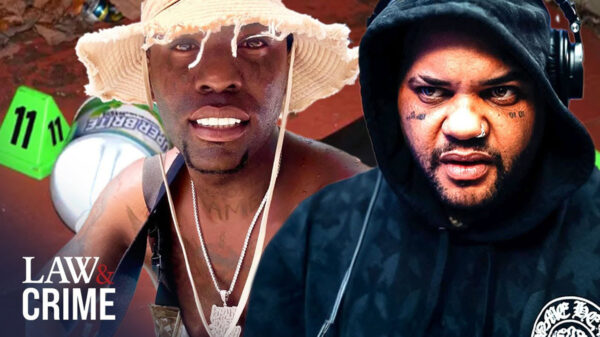









TLDR: The new DaBaby tribute to Iryna Zarutska, “Save Me,” honours the young refugee’s life while confronting Charlotte’s grief, safety, and search for justice.
Iryna Zarutska’s story is one that shook Charlotte and echoed far beyond North Carolina. A 23-year-old refugee from Kyiv, she had fled the war in Ukraine with her family in search of safety. On August 22, 2025, after finishing a late shift at a pizzeria, she boarded the Lynx Blue Line train home. Minutes later, she was fatally stabbed in a random, brutal attack.
Surveillance footage captured the horror, and the suspect, a man with a long history of arrests and untreated mental illness, was arrested as he tried to leave the platform. The killing sparked outrage, grief, and a hard reckoning with the systems that had failed her.
It’s against that backdrop that Charlotte rap star Jonathan “DaBaby” Kirk released his new video, “Save Me.” More than just another drop in his catalog, the song plays like a living tribute, staged within the same tense setting where Iryna Zarutska lost her life. The video strips away gloss, capturing fluorescent-lit rail cars, silent riders, and hands that hover near violence.
In its most striking moment, when the killer prepares to attack the woman representing Iryna, DaBaby reaches out and grabs his hand before he can strike, then leads him off the train. It’s heavy, uncomfortable, and intentional. DaBaby’s tribute brings the audience in that uneasy space, not for shock, but to demand reflection. Since premiering on September 16, it’s already been viewed close to 1.7 million times.
Beyond the music, DaBaby used his platform to amplify a GoFundMe for Zarutska’s family, helping funnel grief into tangible support. The comments on the fundraiser read like an extended community eulogy, strangers and neighbours alike writing to keep her memory alive.
The ripples extend into law as well. In the weeks following her death, North Carolina state legislators passed “Iryna’s Law,” a sweeping criminal justice package that tightens bail rules, expands mental health evaluations, and reopens the possibility of capital punishment. Supporters hail it as overdue reform, while critics argue it sidesteps the deeper failures in mental health care and underfunded enforcement.
Still, the law ensures Zarutska’s name is etched not only into Charlotte’s memory, but into the state’s legal framework.