











TLDR: Rapper Loyle Carner makes his acting debut in BBC drama Mint, bringing visual flair but limited emotional depth to the crime series.
When Charlotte Regan’s debut feature film, Scrapper, won the grand jury prize at the prestigious Sundance film festival in 2023, it announced a filmmaker of rare instinctive warmth.
Scrapper showed Regan to be capable of rendering working-class life with tenderness, wit and a magical lightness that felt entirely her own. With her new eight-part BBC series Mint, the filmmaker turns her hand to crime drama, bringing that same sensibility to television.
Mint sits squarely within what film scholar David Forrest, in his 2020 book New Realism: Contemporary British Cinema, identified as a poetic turn in British screen culture. Where the social realist tradition (think the films of Ken Loach and Mike Leigh) favours direct, politically explicit storytelling, this newer mode prefers something more impressionistic and ambiguous. Forrest traces this tendency through filmmakers such as Andrea Arnold, Clio Barnard and Shane Meadows. Regan is its natural inheritor.
That she should apply this sensibility to a BBC crime drama was, at first, enough to raise an eyebrow. The genre’s conventions (cold proceduralism, gritty realism, familiar signifiers of deprivation) seem antithetical to everything that made Scrapper so alive – a film in which a 12-year-old girl squatting alone in a council house is the unlikely centre of a story that is both sweet and charming.
But Mint runs into difficulties when it must dramatize rather than observe. Regan’s camera is an attentive instrument, alive to the unspoken interior lives of its subjects – but lyricism alone cannot carry a story.
A shallow love story
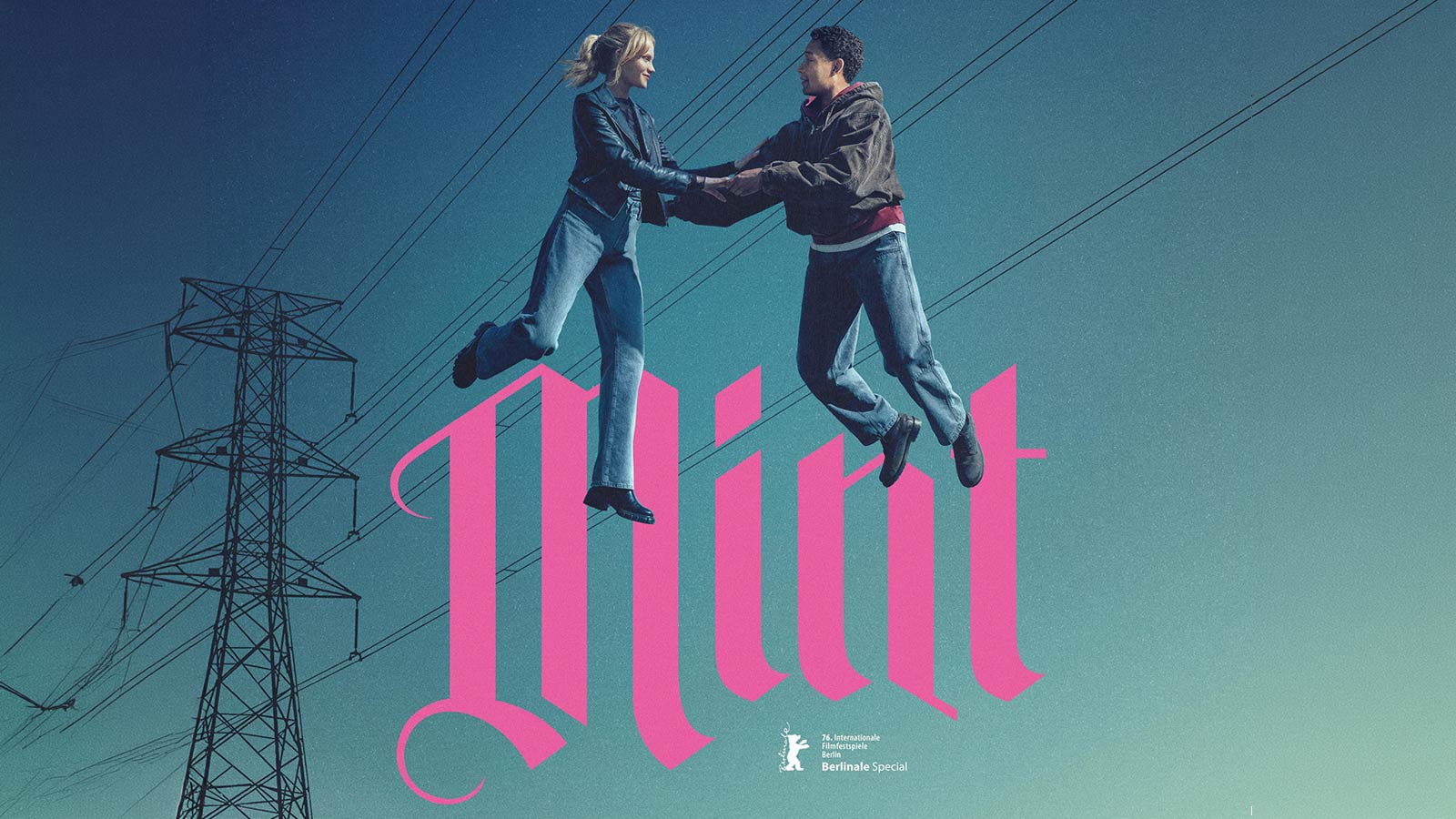
Shannon and Arran’s romance, for all its visual electricity, is paper thin. Their relationship escalates from a quick encounter at a train station to declarations of deep emotional significance within the space of 30 minutes. This is not Laird’s fault – she is magnetic throughout, giving Shannon a volatile, searching quality that makes the character compelling even when the writing does not. It is a problem of the script’s pacing and, perhaps, its misplaced faith that poetic vision can do the emotional work character development has not yet earned.
The crime world that surrounds the central romance is similarly under-explored. Sam Riley is reliably imposing as Dylan. But the gang dynamics feel sketched rather than inhabited, gesturing toward the genre’s conventions (slow-motion confrontations, coded loyalties, fathers trying to keep daughters in gilded cages) without interrogating or subverting them with any particular rigour.
There is a richer series lurking in Mint, one that more seriously pursues the feminist undercurrent running through it. At its heart are three generations of women – Shannon, her mother Cat (Laura Fraser) and grandmother Ollie (Lindsay Duncan) – watching the men in their lives perform masculinity and violence, navigating complicity and quiet resistance in equal measure.
Too often, though, visual boldness is allowed to stand in for dramatic depth, and the result, for all its beauty, is a series that dazzles more than it moves.
Written by Laura Minor, Lecturer in Television Studies, University of Salford
This article is republished from The Conversation under a Creative Commons license. Read the original article.
![]()
5 Ways to Support HipHopCanada:


