






TLDR: BBC investigates the failure of Pollen and how the $800 million startup collapsed, leaving customers and staff unpaid.
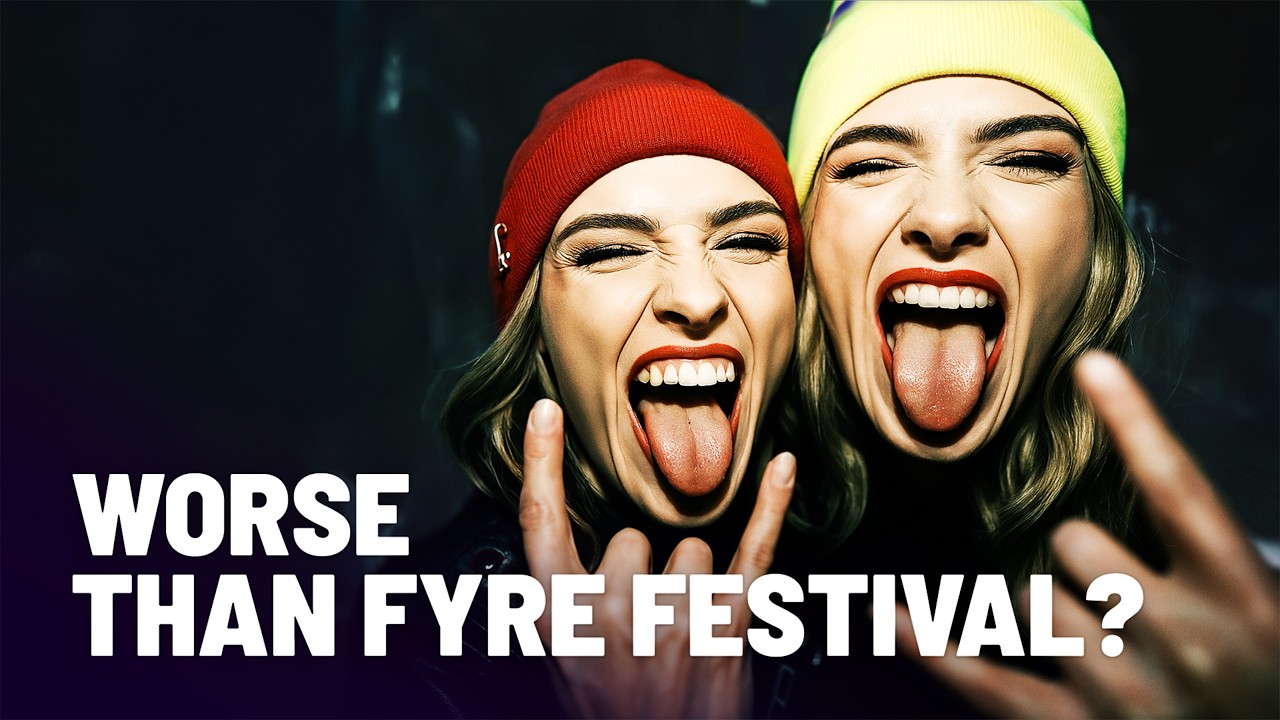
In the golden glow of Instagrammable stages and sun-soaked getaways, Pollen sold a dream—one rooted in festivals, luxury, and youthful excess. But behind the glitz, the British startup was a ticking time bomb. Valued at $800 million in early 2022, Pollen saw failure within months, leaving behind a scorched trail of unpaid vendors, duped customers, and devastated employees.
Founded by brothers Callum and Liam Negus-Fancey, Pollen pitched itself as the future of curated experiences, evolving from a ticketing app to a full-blown event organizer. From Tiësto to Justin Bieber, the names were big, the parties lavish, and the ambitions even bigger. But beneath the influencer-fuelled fantasy, things were unraveling fast.
In a damning BBC investigation—Pollen: How a £630m UK festival firm went bust—the public gets its most intimate look at the chaos. The exposé reveals internal code triggering $3.2M in unauthorized charges to thousands of customers, many of whom were left in overdraft. Refunds, the company claimed, were handled. But of 259 surveyed, all but 10 said they were still waiting.
“I immediately cried,” said Helen, a former care team member. Engineering manager Jack called it “a betrayal.” Meanwhile, proof-of-payment screenshots were reportedly used to stall creditors—a tactic that delayed but couldn’t prevent the inevitable.
The BBC documentary Crashed: $800m Festival Fail delivers a haunting look at Pollen’s final days, filled with luxury office scooters, unpaid pensions, and one-hour Bieber appearances hyped as “intimate weekends.”
For a company once claiming to sell “a bigger life,” Pollen’s implosion is a sobering parable. It’s about the cost of hype, the cruelty of overreach, and what happens when the music stops—abruptly, and without refunds.