







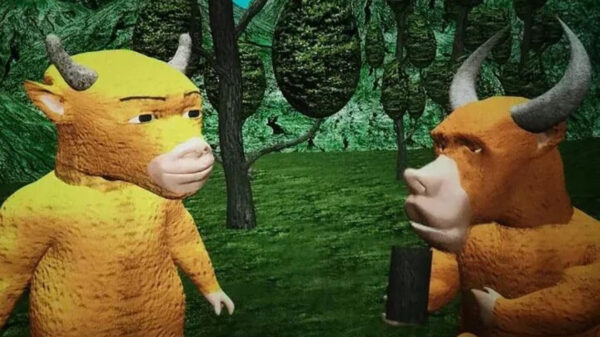


When The Buggles’ music video “Video Killed the Radio Star” aired on August 1, 1981, it marked a historic moment for both television and music. The day marked the launch of the Music Television channel (MTV).
MTV rapidly became a trendsetter and remained one for over two decades by offering something revolutionary: a nonstop stream of music videos, visual storytelling, and youth culture.
Just like The Buggle’s iconic song, MTV’s innovation disrupted radio. It became the tastemaker long before YouTube, TikTok, and artificial intelligence-based recommendations ever existed.
Everyone looked forward to the countdown and the MTV awards — shared rituals that shaped youth culture, music tastes, and even communities.
But that’s it for MTV. Last week, it announced its various UK music channels would be shutting down later this year. Only one reality show-based channel — MTV HD — will remain.
MTV wasn’t immune to the overall decline of TV viewership. Video jockeys (VJs) that once guided audiences through playlists have been replaced by algorithms. Consumers’ endless scrolling habits take away the excitement of waiting for the next fixed show.
MTV’s decline goes beyond a mere business downturn or the shutdown of some television channels. It is the end of an era when music videos brought people together in the same beat.
The golden age
MTV sparked excitement upon its launch. At the time, the public was captivated by how it transformed music into something that could no longer just be heard, but also seen and felt through videos.
Musicians also took advantage of the opportunity to show off through videos: combining music, fashion, and visual performance. The “King of Pop,” Michael Jackson, was a perfect example of what MTV’s influence did for his career.
Track songs like Thriller, Beat It, and Billie Jean brought Michael Jackson to the pinnacle of fame. Other artists such as Duran Duran and Madonna also got their long-lasting popularity from MTV.

Its dominance took shape after Viacom Inc. (now Paramount Global) acquired it for US$667.5 million in 1985.
Together with Paramount, MTV presented various variety of genre-based programs, such as Yo! MTV Raps and Headbangers Ball, which targeted youth cultural segments and fostered a sense of shared identity.
MTV created something more than just a television network. It also symbolized a shared culture, reflecting how people listened to music, dressed, and imagined their futures.
Its expansion turned out to be a massive success. Paramount polished MTV into one of the world’s most influential channels for decades. At some point, MTV annual revenue touched US$400 million and reached 112 million viewers in just one year.
Lost and slow adaptation
Technological advancements began disrupting the entertainment landscape at the start of the 21st century. The digital revolution beat up traditional television, and of course MTV itself.
People who used to watch TV shifted their attention to the internet. The emergence of music and video entertainment platforms offering on-demand services made MTV’s music channel outdated.
Through Spotify, Apple Music, and YouTube, people have instant and unlimited access to music without having to schedule their days.
This shift in viewing habits stems from changes in consumer behaviour, corporate pressures, and the evolution of digital media. The demise of MTV and the new disruption wave of on-demand platforms reflect a major shift in the global cultural landscape.
The pressure also came from MTV itself. Former MTV UK Head of Digital Matthew Kershaw said the management’s reluctance to break away from its old business model contributed to its downfall.
MTV’s vast network of channels was once seen as innovative. But its increasingly corporate approach shifted the focus toward reality shows like Jersey Shore, MTV Cribs, and Jackass. While these programs were popular for a time, MTV drifted away from its music roots.
But these innovations weren’t relevant anymore. Back then, these channels united audiences because everyone watched the same music videos, talked about them in school, and formed a collective identity.
Now, people enjoy music in more personal and customized ways — thanks to algorithms and AI.
As of July 2025, MTV Music only attracted around 1.3 million viewers. There is a huge gap from its heyday in the 1980s-90s which reached hundreds of millions.
Did nothing — and it Backfired
MTV’s downfall is a reminder that in the digital age, technological adaptation, time management and the ability to adapt to consumer behaviour are crucial.
MTV certainly made history as a disruptor of the old model. Yet over time, MTV has now become the one being disrupted by the very thing it once used: technology.
People can now watch whenever and wherever they want with the current innovation. There’s no need to wait for a fixed schedule to enjoy the music from their favourite artists.
Still, Even today’s disruptors must stay vigilant. Slowly but surely, TikTok is the phantom menace. This Chinese social media platform has successfully captured the popular trend of dancing combine with music.
MTV basically has resources, even more, than platforms that now dominate music entertainment like Spotify and YouTube. It is all about consumer behaviour and needs mismatch. MTV’s lack of agility to meet next generation needs just paid off.
MTV was once a phenomenon built on the slogan “video killed the radio star.” Now it must admit that streaming has killed the video star.
Written by Farhan Mutaqin, PhD Researcher, University of Edinburgh and Naufal Rafiansyah, Marketing science, University of Edinburgh
This article is republished from The Conversation under a Creative Commons license. Read the original article.