







TLDR: The CANADA LA panel discussion at SXSW 2025 explored the power of music branding, featuring insights from top creatives on shaping an artist’s identity through visual
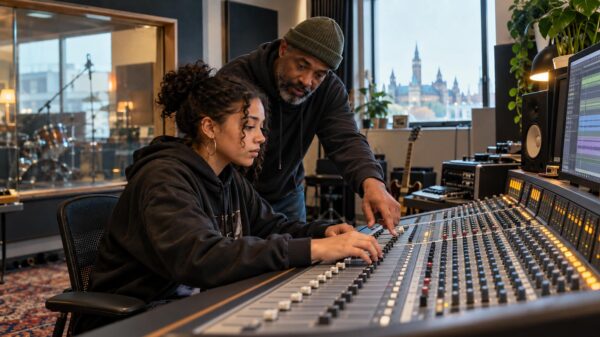
At SXSW 2025 in Austin, CANADA LA took centre stage with a compelling panel discussion that explored the crucial role of visuals in shaping an artist’s identity and impact. On March 11th, the panel “Building an Artist: Crafting a Brand Through Visual Identity” explored the intricate dance between music videos, branding, and the ever-shifting landscape of creative storytelling in music. Moderated by the ever-insightful Charlotte Woodhead, Managing Director & Executive Producer at CANADA LA, the session brought together a dream team of creative minds shaping the visual futures of the biggest names in music.
Bradley Calder, the mastermind behind iconic visuals for Tate McRae, SZA, and Justin Timberlake, lent his expertise, while Andrew Ibea, Senior Vice President of Visual Creative at Interscope Records, shared his insights from working on legendary campaigns with Eminem, Finneas, and KATSEYE. Lope Serrano, Director and Co-founder of the creative production company CANADA, whose work on Dua Lipa’s Physical and Tame Impala’s The Less I Know The Better redefined music video art, completed the star-studded lineup.
Charlotte Woodhead
The conversation unfolded like a masterclass in visual storytelling, with the panelists peeling back the layers of how music videos transcend mere visuals to become an artist’s most potent tool for defining their brand. Charlotte Woodhead led the discussion, stressing the importance of aligning every creative element with the larger vision—a philosophy that ensures even the smallest detail serves the artist’s identity. She reminded the audience that a unified, clear vision is essential, whether you’re working with major global brands or rising stars.
Bradley Calder
Bradley Calder took the mic to discuss how an artist’s visual narrative evolves without losing touch with their roots. He emphasized that fans crave both consistency and innovation. The challenge, he shared, lies in staying authentic to the artist’s essence while also exploring new creative territories. Calder’s focus on authenticity is what makes his work resonate so deeply, blending personal narratives with cinematic artistry to foster a deeper connection between the artist and their audience.
Andrew Ibea
Andrew Ibea dove into the art of maintaining visual consistency across all platforms. From music videos to stage designs to digital ads, the artist’s visual identity must be cohesive and intentional. He explained how tight-knit teams work tirelessly to ensure that every visual component aligns seamlessly with the artist’s core message, whether it’s a still image on a social media post or a full-scale music video.
The panel also turned its attention to emerging talent, offering advice to young artists seeking to carve out their own unique visual presence. Ibea highlighted the importance of surrounding new artists with the right collaborators—those who can amplify their creative voice while staying true to their artistic vision. He shared stories of the synergy between CANADA LA, Hybe, and other collaborators in developing an organic and impactful visual identity for up-and-coming acts like KATSEYE.
At its core, this panel reaffirmed that, in today’s digital-first world, visuals are no longer just an extension of an artist’s music—they are the beating heart of their brand. Whether through elaborate high-budget productions or minimalist, raw storytelling, music videos have become the ultimate vehicle for defining an artist’s legacy.
As discussed at SXSW 2025, visuals are no longer just a promotional tool; they are the cultural moments that shape an artist’s career, captivate audiences, and define the trends of tomorrow.

As the panel wrapped up, we were lucky enough to steal a few moments with Bradley Calder, Andrew Ibea, and Charlotte Woodhead for an exclusive follow-up conversation. In a more intimate setting, we dove deeper into their creative minds, uncovering the secrets behind crafting the perfect visual identity for today’s artists.
With years of experience shaping iconic brands and artists, their insights were as captivating as the visuals they bring to life. Check it out below!
CANADA LA Interview
HipHopCanada: CANADA LA has a distinct reputation for blending artistry with commercial appeal. What lessons from your experience working with global brands like Nike and Apple can be applied to developing an artist’s visual identity?
Charlotte Woodhead: So for me I’ve become obsessed about two things. One is the big picture And that’s kind of why I wanted to do this panel because I don’t think everybody fully understands the whole picture of what it takes behind the scenes to create and we do the same at Canada LA. I like to educate the team so they see the big picture so when they’re asking for something they know why they’re asking for it and who to ask for it because that will give you the best result. And then the other thing I think is super important is learning how to positively specifically communicate what you want or what you need because when you can be specific you get the result that you want.
HipHopCanada: As an executive producer, you play a key role in bringing directors’ visions to life. How do you balance the creative ambitions of a project with logistical and budgetary constraints while still delivering a high-impact visual identity?
Charlotte Woodhead: I think honesty and communication are the best ways of getting there, I was always a very creative producer and that’s why I did so well, I would always try and find a way to make something or if you guys say “you want to jump off the Empire State Building” and that wasn’t possible, we would find a way that would represent that. So it’s just like you then sometimes just have to change perspective or reframe something to get help give people what they want.
HipHopCanada: Many artists evolve their visual identity over time. How do you balance maintaining an artist’s core brand while allowing for creative reinvention across different eras of their career?
Bradley Calder: Yeah, I mean, I’d say that, you know, artists need to keep evolving and keep pushing their visual narrative forward. I think, you know, audiences always want them to kind of have this paradoxical, you know, requirement of being the artist that they know them for and know them, you know, and love them for, but also want them to grow.
So it’s a constant battle of, you know, trying to understand your audience and like what they want to see, but also like being an artist and pursuing, you know, what feels right at your integrity and like what feels good at your core to kind of keep pushing forward. I think that, you know, the more an artist can kind of follow their gut instinct of what they want to put out in the world and worry less about the audience. So at the end of the day, like audiences, you know, don’t know what they want. They want an artist to be an artist. So just follow, an artist, you know, what they want them to do is always the right answer.
HipHopCanada: When working with artists like SZA or Justin Timberlake, how do you ensure their visuals feel authentic to them while still pushing creative boundaries?
Bradley Calder: Yeah. I mean, working with, you know, I’m privileged to like work with such amazing generational genius talent, like both of them. And a lot of my work with them is kind of interjecting, you know, their truth to it. Like, you know, everything that I do with SZA is like stems from something that she’s experienced in her own life, building upon that.
And the video I did with JT and his creative team was all based off of like an abstract emotion of like how he broadly feels about his career and, you know, his relationships. So kind of tying in to like an emotional truth to an artist is always, how the image feels authentic. And more importantly, like an artist will feel good about what they’re saying to the world because it comes from a place of truth.
HipHopCanada: What is a standout project to you that you got a chance to work on?
Bradley Calder: Um, I had the privilege of working on the McGee Two Star and the Dream Police album last year, which honestly is like my favorite album of all time. You know, I did some photography with McGee and did some live video for, you know, his stage direction. And I just love that project so much. And I think he’s just a genius generational talent. And I’m just so happy to be like anywhere close to his orbit, because he’s just he’s here to save us all really.
HipHopCanada: In today’s music industry, visuals extend beyond music videos into interactive billboards, award campaigns, and live performances. How do you ensure a cohesive brand identity across these formats, and how does a company like CANADA LA contribute to this process?
Andrew Ibea: I would say that the teams tend to be very small, and we act very, very large.. I would say that there’s a set of eyes, probably a very defined group of eyes that look through everything. And we just make sure that it feels consistent with the brand and share it with the artist and the manager. And just like really, really being diligent. I mean, it’s just a lot of things to review. I would say it’s really just making sure that everyone’s eyes are on it and reminding each other and keeping every team member who needs to have approval on it has a say in a timely manner.
HipHopCanada: Our last question is, With emerging artists like KATSEYE, how do you develop a visual strategy that helps them stand out in an oversaturated market while still feeling organic to their artistry?
Andrew Ibea: At the heart of it all, the group are really, really intelligent, talented young women, and I think we just surround them with the pieces to make them succeed. You know, I think it’s really just based on who they are. And then we have a really, really wonderful partnership with Hybe and the creative director, Umberto Leon, and then their creative team with Jay and Son, who’s the executive creator.
And we kind of just work together in tandem and help, again, cultivate the right creatives to be surrounded, to make them all look their best. I mean, it’s a hard one for me to say because it’s so early, but I think it really is all of us kind of talking together about how we can make it the most authentic and how they can really, really share themselves in a way that I think really feels unique to them. When I see them, they’re just the group members that we’ve worked with for the past three years, and I think the internet sees them exactly the same way.