












In this episode of Don’t Call Me Resilient, host and producer Vinita Srivastava sits down with two experts to break down the many layers — and Black stereotypes — in the much anticipated new film, American Fiction. Prof. Vershawn Ashanti Young of University of Waterloo and Prof. Anthony Stewart of Bucknell University join forces to break down the film and why Black stereotypes remain so persistent in pop culture.
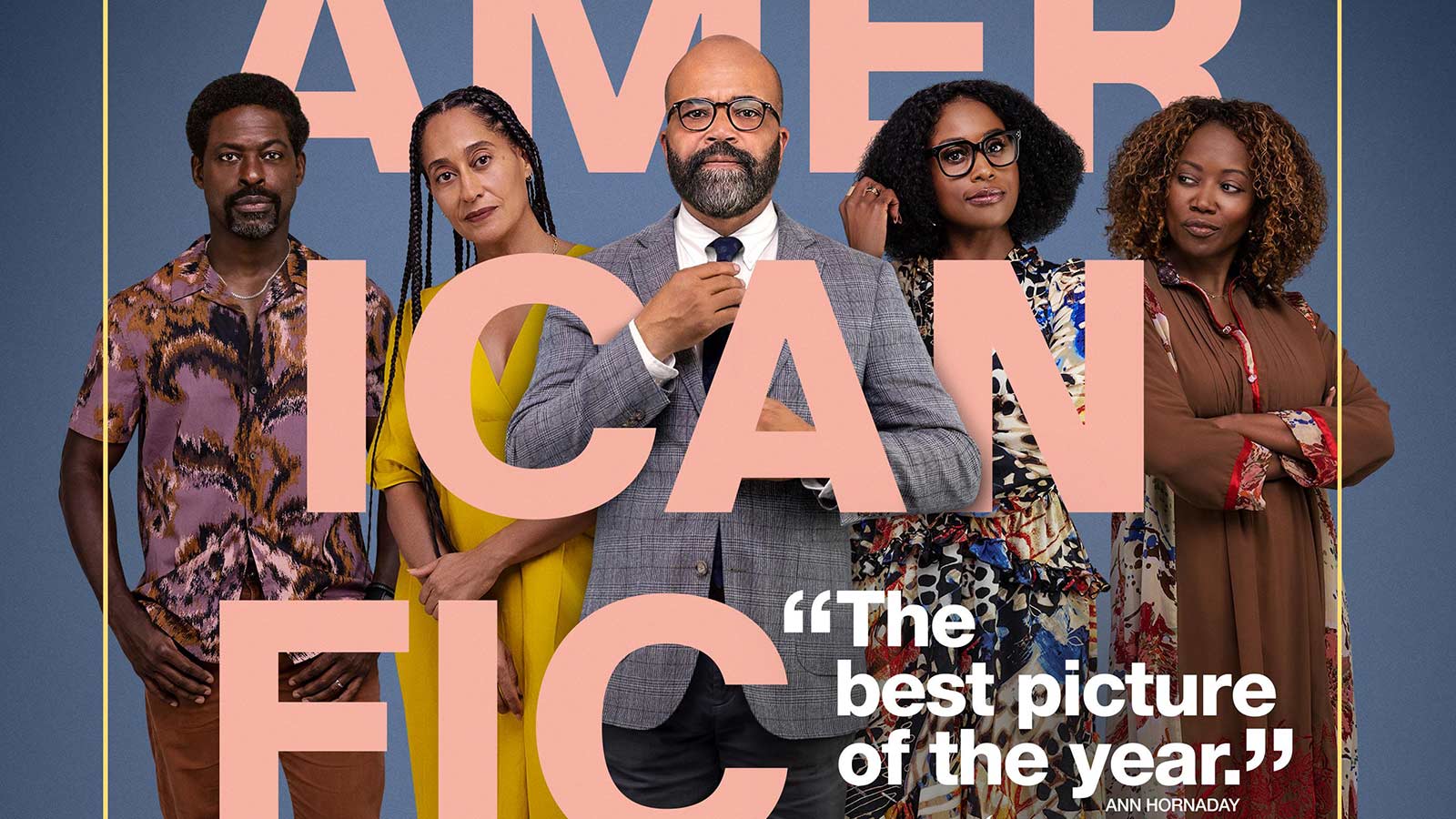
The lead character of the new movie American Fiction is Monk. He’s a Black man but never feels ‘Black’ enough: he graduated from Harvard, his siblings are doctors, he doesn’t play basketball and he writes literary novels.
Directed and written by former journalist Cord Jefferson, American Fiction won this year’s People’s Choice Award at the Toronto International Film Festival, and it has its much anticipated North American release in theatres this month. It’s been called an “incisive literary satire” by the Guardian.
The film, starring Jeffrey Wright, is an adaption of the 2001 novel Erasure by Percival Everett. The book and the film are centred on Monk, a novelist who’s fed up with a white-led publishing industry that profits from Black entertainment and tired tropes. As a Black man who thinks about race but also rages against having to talk about it, Monk gets so frustrated that he decides to poke fun of those who uncritically consume what they are sold as “Black culture.”
He uses a pen name to write an outlandish “Black” book of his own. It’s about “thug life” and is called “My Pafology.” But plot twist: his attempt at satire is lost on his audience and the book ends up becoming wildly successful. Suddenly, Monk is among those profiting off the stereotypes he so despises. The rest of the story explores “the unfairness of asking individual artists to represent the entire Black experience.”
Resources
Approximate Gestures: Infinite Spaces in the Fiction of Percival Everett by Anthony Stewart
First Look: American Fiction Challenges Hollywood’s “Poverty of Imagination” About Black People (Vanity Fair)
“How Amos ‘n’ Andy paved the way for Black Stars on TV” (Slate)

Native Son by Richard Wright
Listen and follow
You can listen to or follow Don’t Call Me Resilient on Apple Podcasts, Spotify, YouTube or wherever you listen to your favourite podcasts.
By Dannielle Piper, Associate Producer, Don’t Call Me Resilient, The Conversation and Vinita Srivastava, Host + Producer, Don’t Call Me Resilient, The Conversation
This article is republished from The Conversation under a Creative Commons license. Read the original article.