













It’s summer 2009. You’ve been to a “campout” with your school friends in someone’s back garden and taken a bunch of out-of-focus pictures on your digital camera. The next day, you dig out your trusty USB cable and upload the photos to your laptop, sharing every single one, without even vetting them, to a dedicated Facebook album. The likes and comments come rolling in – the campout is complete.
It somehow feels too soon for a trend like this to come back around, but it has, and in a new form called the “photo dump”. A photo dump is the act of posting multiple pictures from either a specific time span (usually a month or season), or an event (like a holiday), to an image-based social media platform such as Instagram.
The photos must be posted in a seemingly incoherent order and be “low effort” as opposed to being obviously edited. Photo dumps are typically tied together by a nonchalant caption, as the poster should offer little to no explanation of why they chose those particular images. Photo dumps are tremendously popular: even photo editing software Adobe has released a guide to using them to “inject some fun and authenticity into your Instagram presence”.
The rise of the dump
Instagram launched the “carousel” feature in early 2017, which enables users to include up to ten images in one post. But photo dumps didn’t grace our feeds until around late 2020. There are several potential explanations for the photo dumps trend:
- A social reaction to a fatigue with sponsored content on Instagram, where it feels like every other post tries to, as Vogue puts it: “sell you face serum or an electric toothbrush or a pair of leggings“.
- During the pandemic, few of our life events felt worthy of a single Instagram post, inspiring users to celebrate the beauty in mundanity.
- Many users are seeking authenticity in their social media use, given growing frustrations with the “fakery” of filters and other forms of digital photo editing.
“Dump” implies that images have been haphazardly thrown together, but this understates the craftsmanship that goes into post curation on Instagram. Sociologist Erving Goffman argued that there’s no such thing as accidental self-presentation.
All human interactions, whether they take place via social media or elsewhere, demand some level of craft and decision making.
The roots of the dump
Technological changes do not wipe away existing cultures. The social rituals underpinning older forms of photography and visual communication have evidently made their way into digital spaces, as photo dumps largely conform to the conventions of classic physical photo albums.
People usually craft their physical photo albums into one of a number of themes, like recording an event or a trip, both of which have made their way to Instagram. And both the dump and the album lose meaning if you aren’t known to the poster, akin to the consequences of a physical photo album being discovered at a rummage sale.

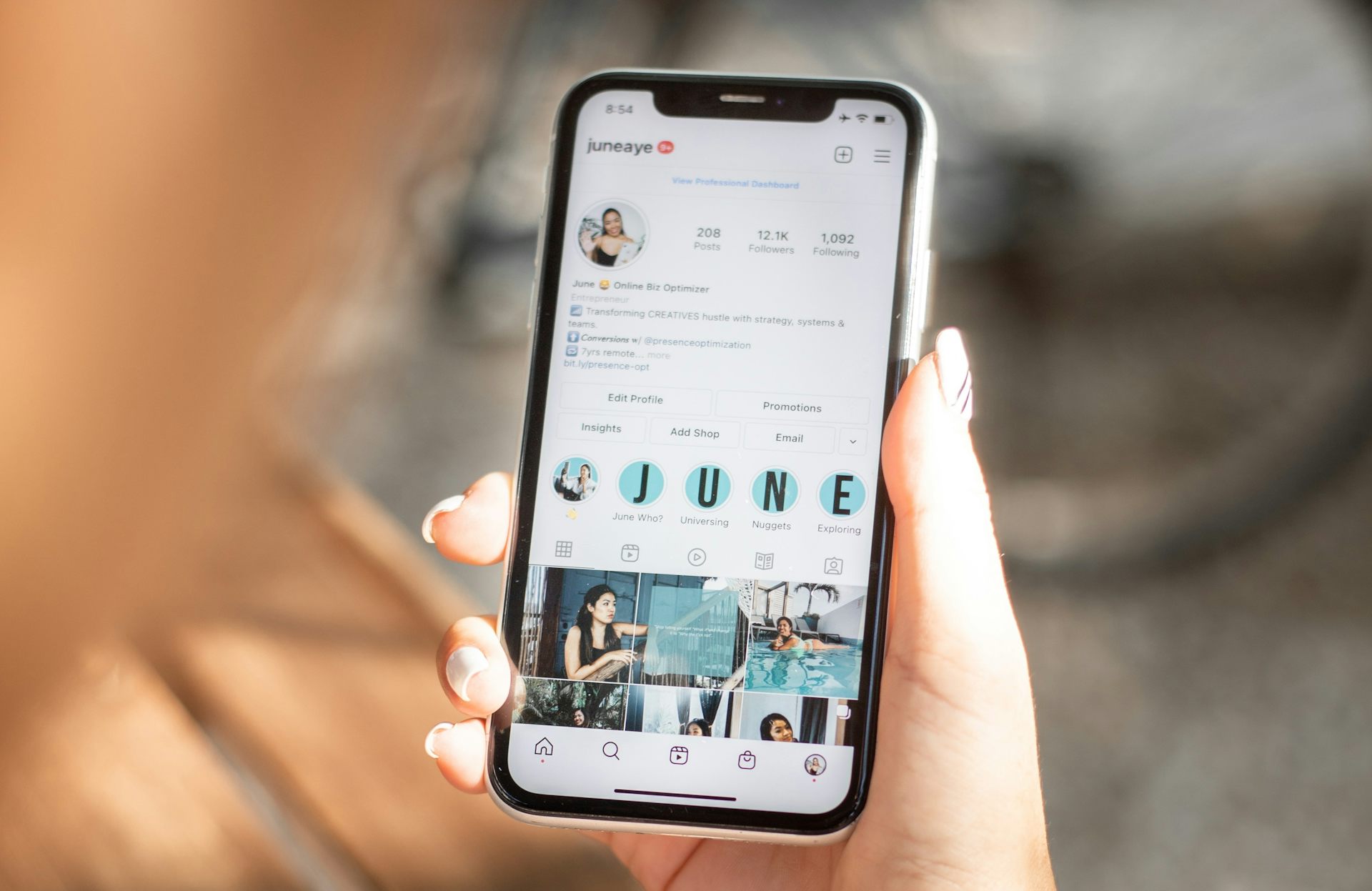
Grouping photos by theme is popular for dumps. (June Aye/Unsplash, CC BY)
That said, photo dumps and tangible albums are not quite the same. For example, albums benefit tremendously from the white space surrounding each carefully placed image, through which authors can craft a narrative of personal memory. Dumps, on the other hand, rely on one short caption to tie the images together. Nonetheless, these resonances still tell us something significant about our relationship to Instagram – perhaps most crucially that the platform now occupies a more intimate place in our lives.
It’s easy to disparage photo dumping. It is, after all, a trend, it feels frivolous, isn’t a “serious” topic. But arranging your photos into an album has long been understood as an intensely personal experience.
It enables people to share a story with their audience, conveying social and emotional value not in the truth of each individual image, but in how they have been pieced together.
The future of the dump
The western social media scene is, we are told, falling apart. The Verge has declared “the end of a social era on the web“, Twitter users are dropping like flies and don’t know where to go next, Reddit moderators are on strike and TikTokers are facing access bans in multiple countries.
Instagram, it seems, feels like a friend, familiar enough to grace with carefully curated, multi-part posts to tell stories about our daily lives.
And so, as we grapple with new questions, promises and concerns about emerging technologies such as AI, perhaps we are drawn to using the familiar things in more intimate ways.
Written by Ysabel Gerrard, Senior Lecturer in Digital Communication, University of Sheffield
This article is republished from The Conversation under a Creative Commons license. Read the original article.