











TLDR: Iran’s propaganda has emerged as a surreal digital front in the conflict, using AI-generated rap songs, Lego, Call of Duty and GTA-style videos to troll Donald Trump and the United States.
The missiles began flying on Feb. 28, 2026. But somewhere between drone strikes and air raid sirens, another weapon quietly entered the battlefield: AI-generated rap videos.
As Operation Epic Fury escalated, Iran began flooding social media with surreal clips blending AI rap tracks, Lego-style animations and video game aesthetics. The result felt less like traditional propaganda and more like a fever dream pulled from a late-night internet binge. But that’s propaganda in 2026.
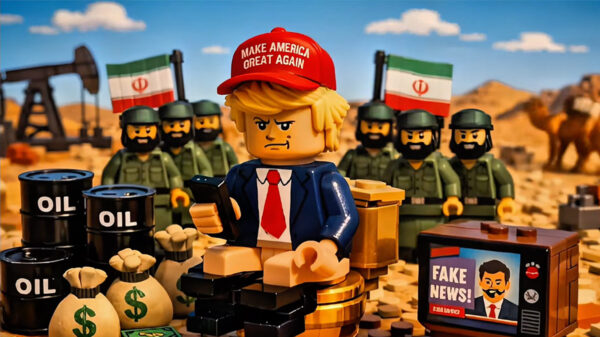
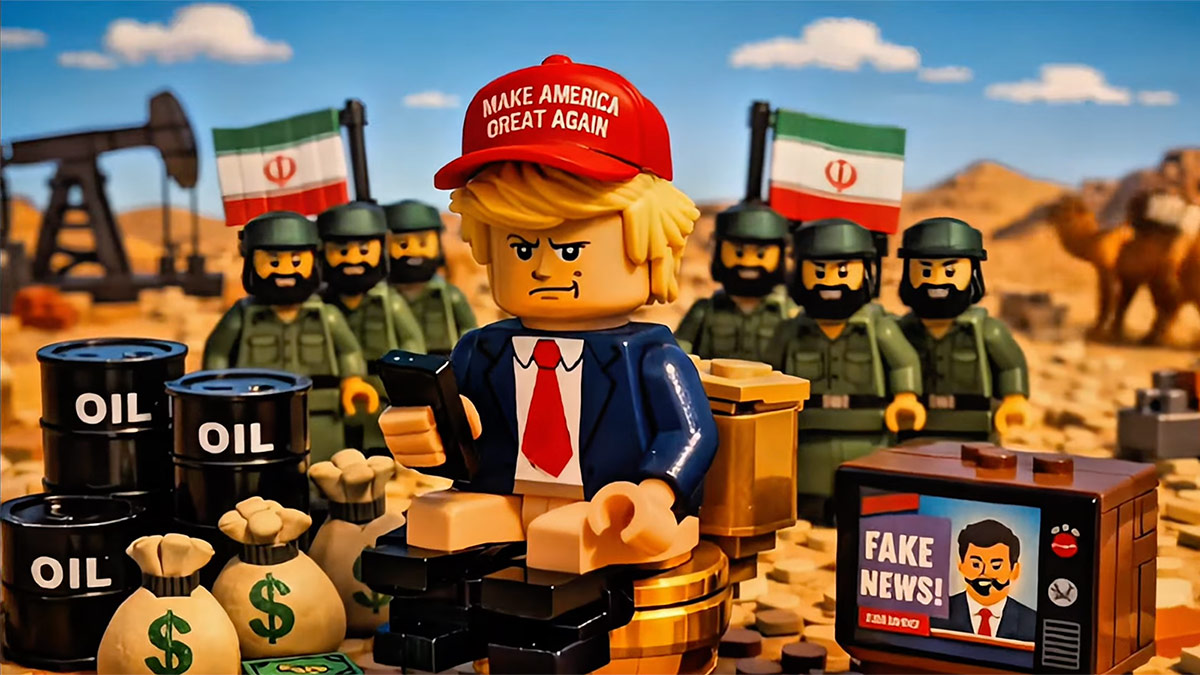
One of the most widely circulated videos featured Lego-style versions of Donald Trump and Israeli Prime Minister Benjamin Netanyahu launching missiles, followed by retaliatory strikes delivered by blocky Iranian characters. The imagery referenced real-world attacks while intentionally blurring the line between gaming culture and warfare, according to reporting from The Independent.
Elsewhere, AI-generated rap songs layered over Grand Theft Auto-style visuals mocked U.S. airstrikes, complete with “Wasted” graphics and digital explosions. Another video borrowed heavily from Call of Duty aesthetics, turning real combat footage into something resembling a first-person shooter montage.
According to NPR, Iran’s messaging machine has leaned heavily into trolling Trump directly, using absurd visuals, English-language rap lyrics and meme-driven storytelling designed for maximum virality.
In one clip, a cartoonish Trump figure sat in the Oval Office surrounded by toy fighter jets while AI-generated bars taunted U.S. leadership. Another video portrayed a Lego-style “multiverse” of retaliation, complete with exaggerated explosions and satirical imagery.

Experts say the trend reflects how modern conflicts are increasingly playing out online. Gaming visuals, memes and AI-generated music turn real-world events into shareable content that spreads quickly across social platforms. What once looked like traditional propaganda now resembles internet culture, where attention and engagement can shape how the conflict is perceived.
The White House has also leaned into pop culture, sharing clips that incorporate video game imagery and Hollywood references. But Iran’s AI-generated rap videos have taken things further, using humour, satire and exaggerated visuals to mock Trump and U.S. leadership while drawing in online audiences.
5 Ways to Support HipHopCanada:
- Submit Your Music
- Follow Canadian Fresh (HipHopCanada’s Spotify Playlist)
- Follow us on Instagram
- Follow us on X (Twitter)
- Like us on Facebook