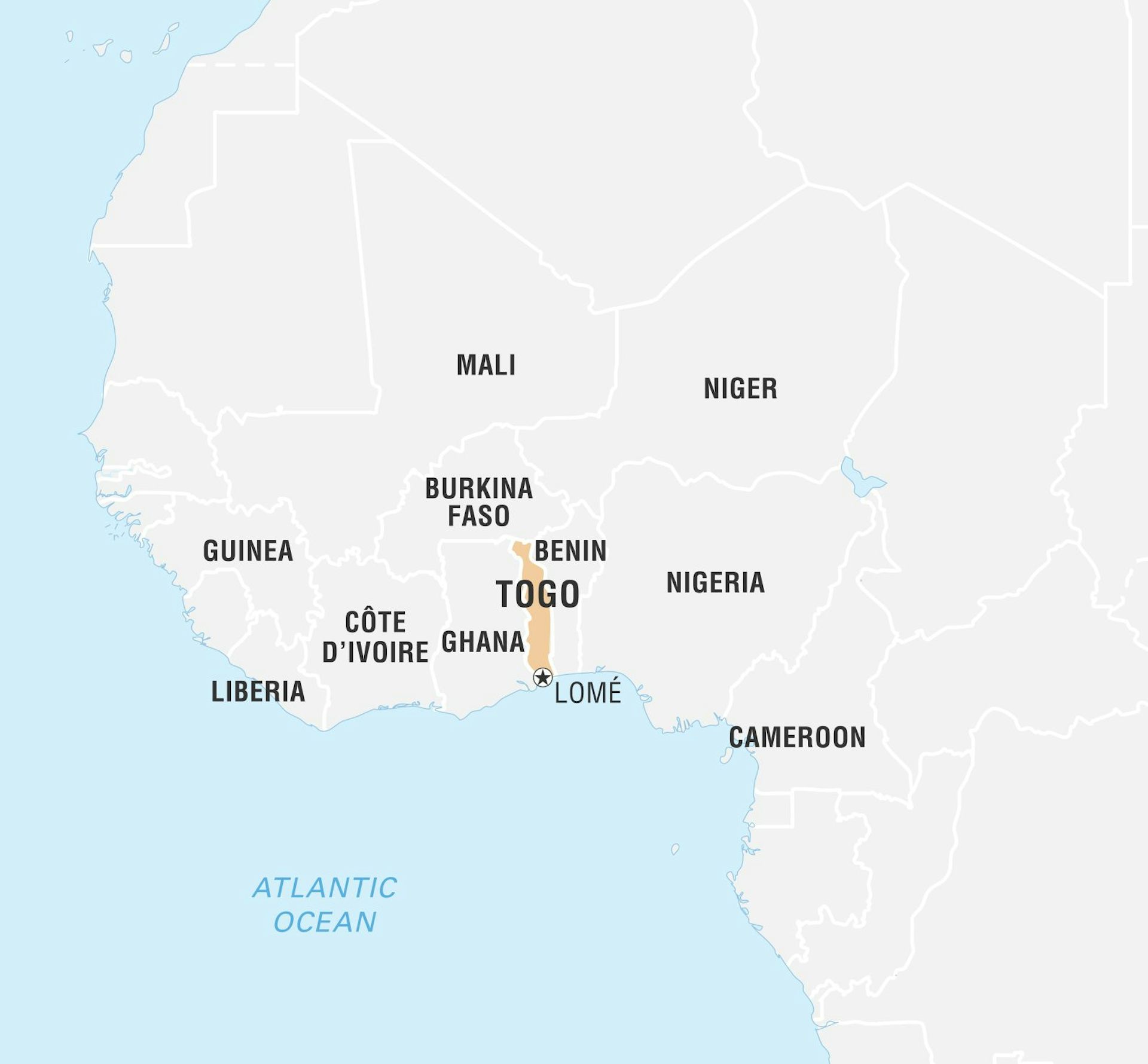


















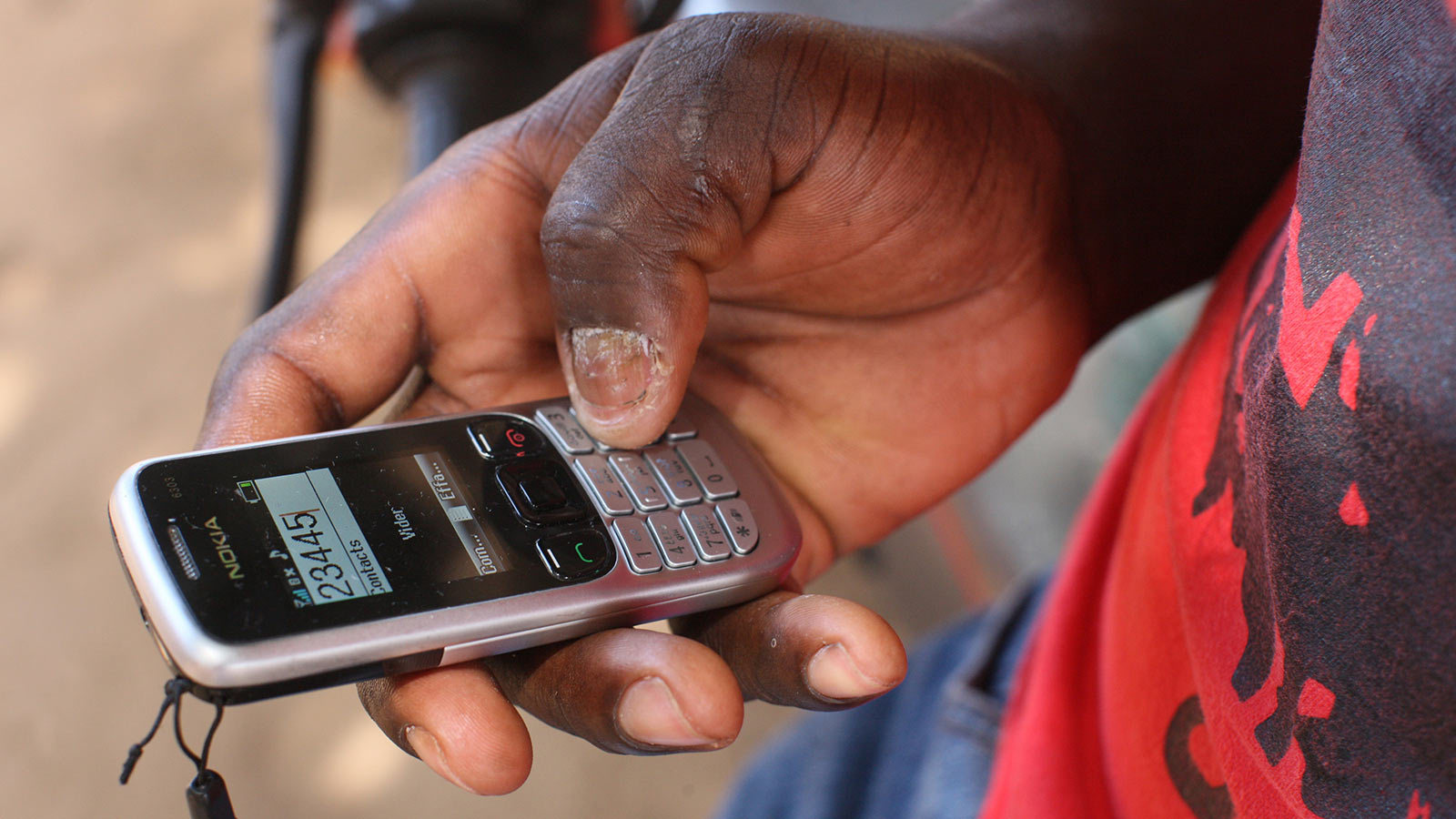

Governments and humanitarian groups can use machine learning algorithms and mobile phone data to get aid to those who need it most during a humanitarian crisis, we found in newly published research.
The simple idea behind this approach is that wealthy people use phones differently from poor people. Their phone calls and text messages follow different patterns, and they use different data plans, for example. Machine learning algorithms – which are fancy tools for pattern recognition – can be trained to recognize those differences and infer whether a given mobile subscriber is wealthy or poor.
As the COVID-19 pandemic spread in early 2020, our research team helped Togo’s Ministry of Digital Economy and GiveDirectly, a nonprofit that sends cash to people living in poverty, turn this insight into a new type of aid program.
First, we collected recent, reliable and representative data. Working on the ground with partners in Togo, we conducted 15,000 phone surveys to collect information on the living conditions of each household. After matching the survey responses to data from the mobile phone companies, we trained the machine learning algorithms to recognize the patterns of phone use that were characteristics of people living on less than $1.25 per day.
The next challenge was figuring out whether a system based on machine learning and phone data would be effective at getting money to the poorest people in the country. Our evaluation indicated that this new approach worked better than other options Togo’s government was considering.
For instance, focusing entirely on the poorest cantons – which are analagous to U.S. counties – would have delivered benefits to only 33% of the people living on less than US$1.25 a day. By contrast, the machine learning approach targeted 47% of that population.
We then partnered with Togo’s government, GiveDirectly and community leaders to design and pilot a cash transfer program based on this technology. In November 2020, the first beneficiaries were enrolled and paid. To date, the program has provided nearly $10 million to roughly 137,000 of the country’s poorest citizens.
Why it matters
Our work shows that data collected by mobile phone companies – when analyzed with machine learning technology – can help direct aid to those with the greatest need.
Even before the pandemic, over half of the West African nation’s 8.6 million people lived below the international poverty line. As COVID-19 slowed economic activity further, our surveys indicated that 54% of all Togolese were forced to miss meals each week. The situation in Togo was not unique. The downturn resulting from the COVID-19 pandemic pushed millions of people into extreme poverty. In response, governments and charities launched several thousand new aid programs, providing benefits to over 1.5 billion people and families around the world.
But in the middle of a humanitarian crisis, governments struggle to figure out who needs help most urgently. Under ideal circumstances, those decisions would be based on comprehensive household surveys. But there was no way to gather this information in the middle of a pandemic.
Our work helps demonstrate how new sources of big data – such as information gleaned from satellites and mobile phone networks – can make it possible to target aid amid crisis conditions when more traditional sources of data are unavailable.
What’s next
We’re conducting follow-up research to assess how cash transfers affected recipients. Previous findings indicate that cash transfers can help increase food security and improve psychological well-being in normal times. We are assessing whether that aid has similar results during a crisis.
It’s also essential to find ways to enroll and pay people without phones. In Togo, roughly 85% of households had at least one phone, and phones are frequently shared within families and communities. However, it is not clear how many people who needed humanitarian assistance in Togo didn’t get it because of their lack of access to a mobile device.
In the future, systems that combine new methods that leverage machine learning and big data with traditional approaches based on surveys are bound to improve the targeting of humanitarian aid.
Written by Emily Aiken, Doctoral Student of Information, University of California, Berkeley and Joshua Blumenstock, Associate Professor of Information; Co-Director of the Center for Effective Global Action, University of California, Berkeley
This article is republished from The Conversation under a Creative Commons license. Read the original article.